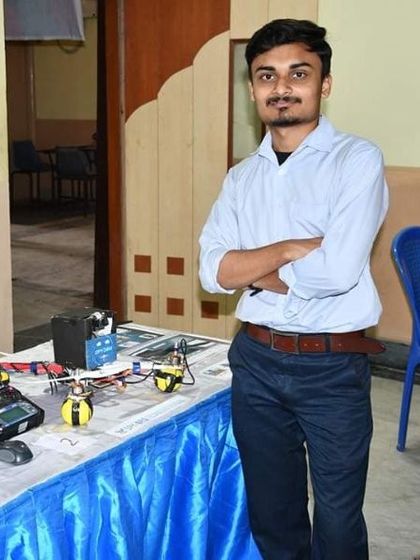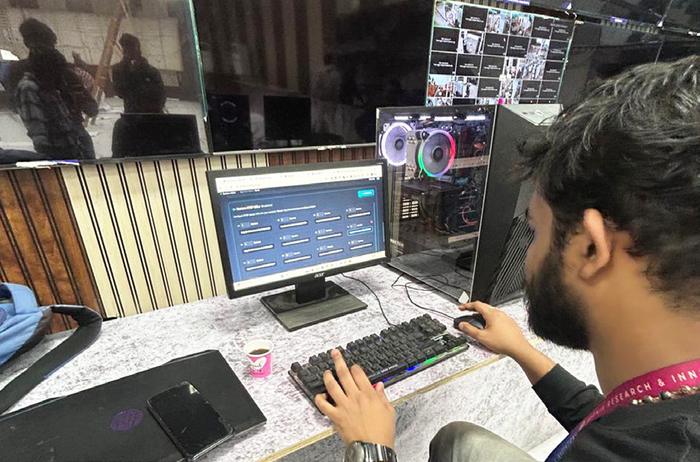

Arijit Das
Industry Interaction Session

Engineering
Real-World Systems

Hardware AI Software

IoT
Hardware
Robotics
AI
Software
Arijit DasCo-Founder & Director, Aeonix Research & Innovations LLP
M.Tech, Computer Science — IIT Patna
Built. Deployed. And still running.
Before anything else

Two minutes on what we actually build

YouTube ↗
Aeonix · company filmWe Build Custom IoT, AI & Embedded Systems — From Idea to Production

Custom PCB to cloud

Six engineering disciplines under one roof — hardware, firmware, AI, robotics, software and field deployment.

500+ machines, multi-state

Government OEM, defence-deployed, and three years of continuous uptime in public places.

Everything after this is detail

The rest of the session is how it gets made, and how you get into this line of work.

Click the thumbnail to play. Every video in this deck is on our channel, Sparklers.

So you know where this comes from

An engineer who ships hardware, not a motivational speaker

Arijit Das
Now

Co-Founder & Director

Aeonix Research and Innovations LLP — indigenous IoT, AI and robotics, custom PCB to cloud. Bootstrapped since 2020.

Also

Co-Founder & Technical MD

iAvatars LLC, USA — emotional-AI presence hardware. A second company, a very different problem.

Studied

M.Tech, CS — IIT Patna

B.Tech in Computer Science before that. And yes — I took the campus job too: System Engineer at TCS, 2021–22.

On paper

Patents & papers

5+ Indian patents filed and 7 peer-reviewed publications, including a Best Paper award at ICCACCS-2020.
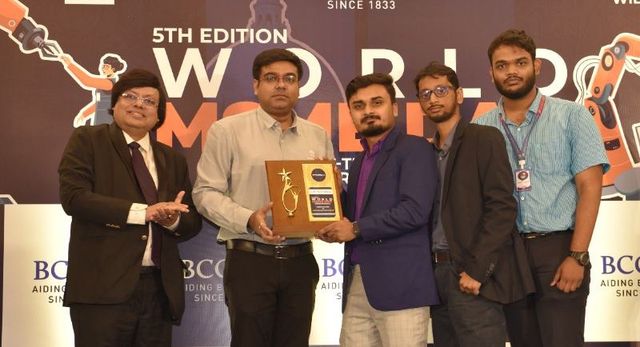
Receiving the Green MSME Award on World MSME Day 2026Won · 2026Green MSME Award, World MSME Day

JIS Samman Best Entrepreneur Award 2024Won · 2024JIS Samman — Best Entrepreneur
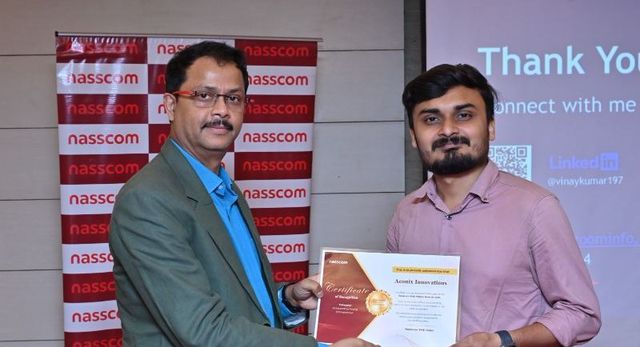
Receiving NASSCOM Outstanding Young Entrepreneur recognitionNominee · 2026NASSCOM Outstanding Young Entrepreneur
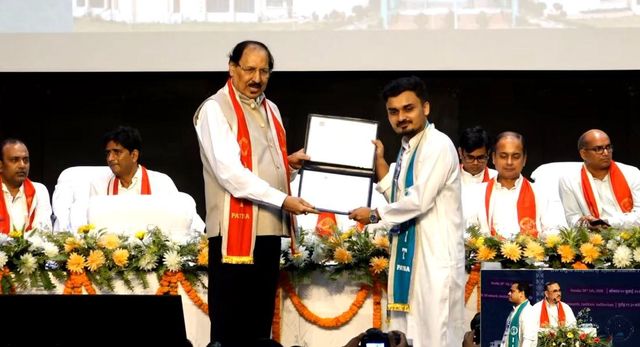
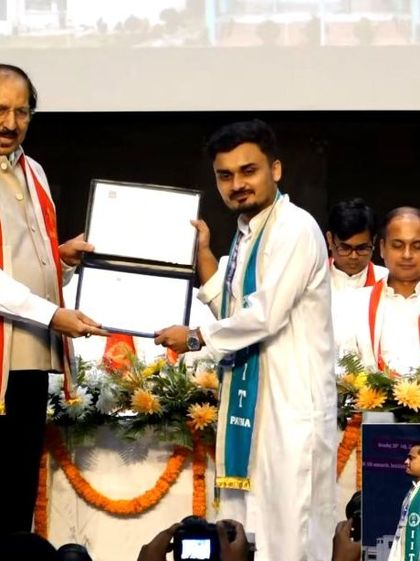
M.Tech convocation at IIT Patna2026M.Tech convocation, IIT Patna

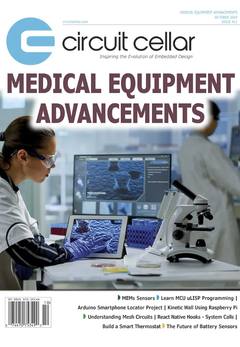
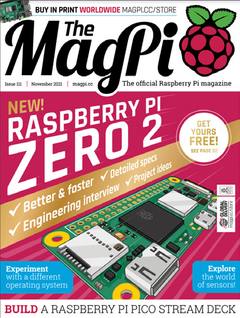
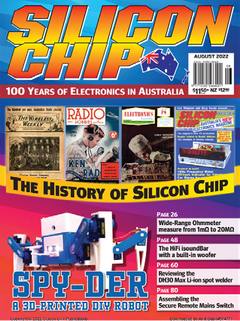
Electronics For You cover Circuit Cellar cover The MagPi cover Silicon Chip cover Work covered by Forbes India, The Times of India, The Telegraph and The Statesman — and in the engineering press: Electronics For You, Circuit Cellar, The MagPi, Servo, Silicon Chip.

The honest route

From a college bench to this room

College, and Sparklers
2017 – 2021

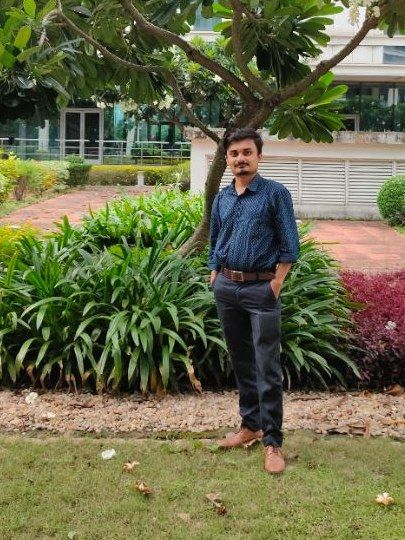
College, and Sparklers

B.Tech at Narula. Built robots, and ran a maker channel to 1.7M views.
The job
2021 – 2022

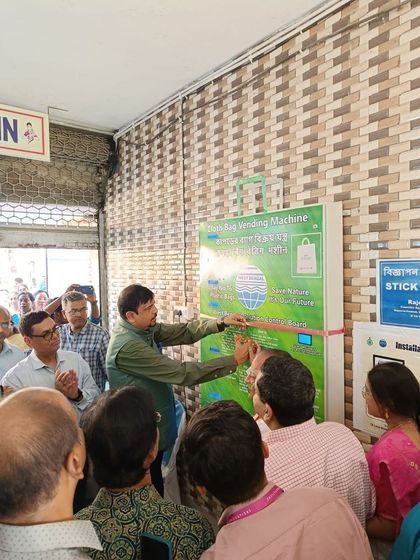
The job

System Engineer at TCS. My last job before going all in.
All in on Aeonix
2022

All in on Aeonix

Bootstrapped, zero capital. Tata, ITC and IIT Hyderabad in year one.
M.Tech at IIT Patna
2024 – 2026

M.Tech at IIT Patna

An advanced degree while running the company. Both at once.
Government OEM, and scale
2024 – now

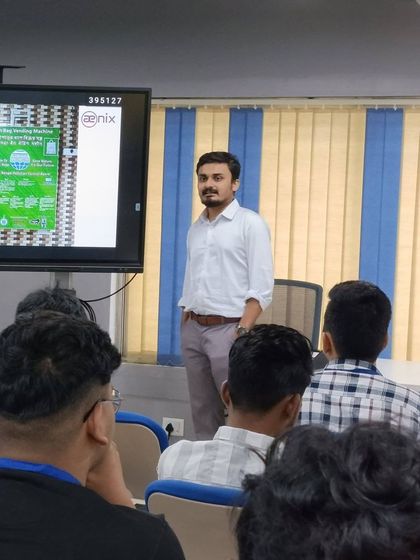
Government OEM, and scale

WBPCB empanelment, deployments across states, a team of eighteen.
Going international
2026 – now

Going international

A Michigan branch, iAvatars LLC in the USA, and our kits teaching STEM in US schools.

There was no funding round anywhere in that sequence. The customers paid for the company — and the campus job paid for the first year.

What we're going to do

Six blocks. The last two are yours.

Interrupt whenever something is unclear — a question in the middle is worth three at the end.

01
Section One

The Stack

Hardware, AI, software, robotics — four words students treat as four separate careers. In a real product they are four layers of one loop.

The mental model
The gap nobody shows you

A demo and a deployed system are different products

The demoThe deployed system
Runs onYour laptop, your deskA board in a sealed box, in the sun, in a public place
InputA clean dataset you choseDust, glare, 2G, monsoon, and someone kicking it
FailureYou press restartA technician drives 60 km with a spare
SuccessIt worked in the vivaIt has worked for three years, unattended
An engineer developing at a deskThe deskWhere it always works
Machines installed across many public locationsThe fieldWhere it has to keep working

Everything difficult in engineering lives in the right-hand column.

Layer zero · the word everyone uses loosely

“IoT” is not a device. It's a closed loop.

Any product that calls itself IoT has to answer four questions. If it cannot answer all four, it is a gadget with a Wi-Fi chip and a monthly data bill.

  1. What does it measure, and how often?Every extra reading costs power, bandwidth and storage. Cadence is a design decision, not a default.
  2. How does that leave the device?Wi-Fi, 4G, LoRa, BLE — chosen by range, power and who pays the SIM bill.
  3. Where does it land, and who looks at it?A database nobody opens is an expensive log file.
  4. What changes because of it?A truck reroutes, a refill goes out, a valve closes. No action, no IoT.
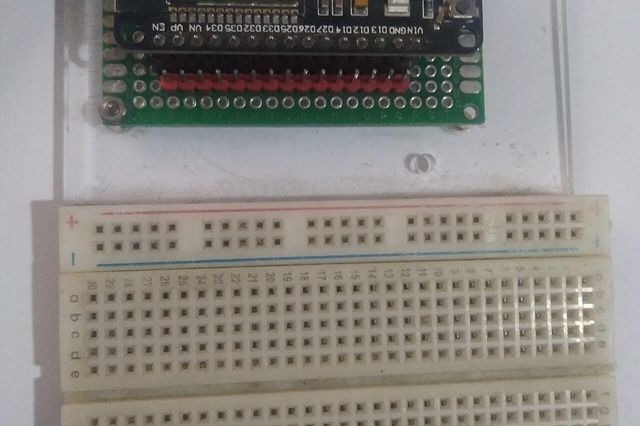
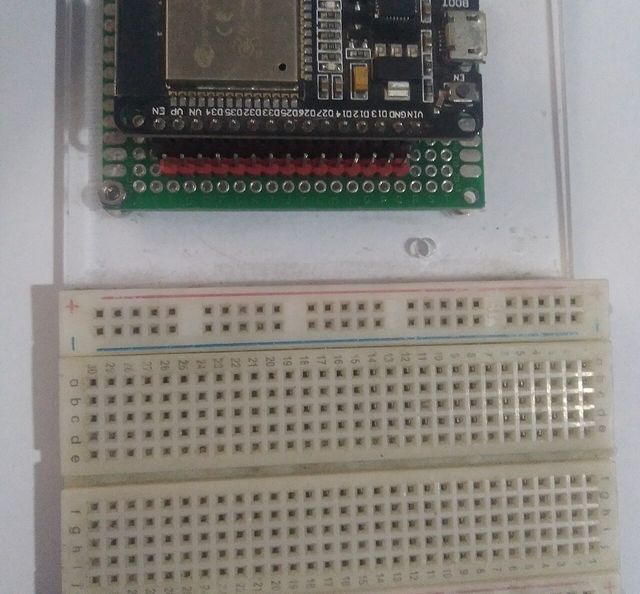
An ESP32 development board on a breadboardThe nodeAn ESP32 — the workhorse of cheap IoT, about ₹400
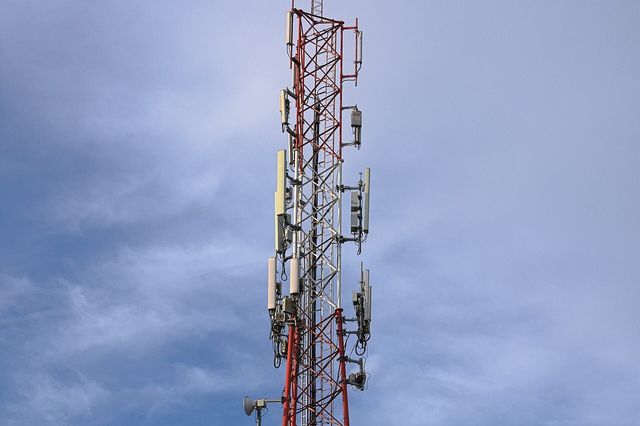
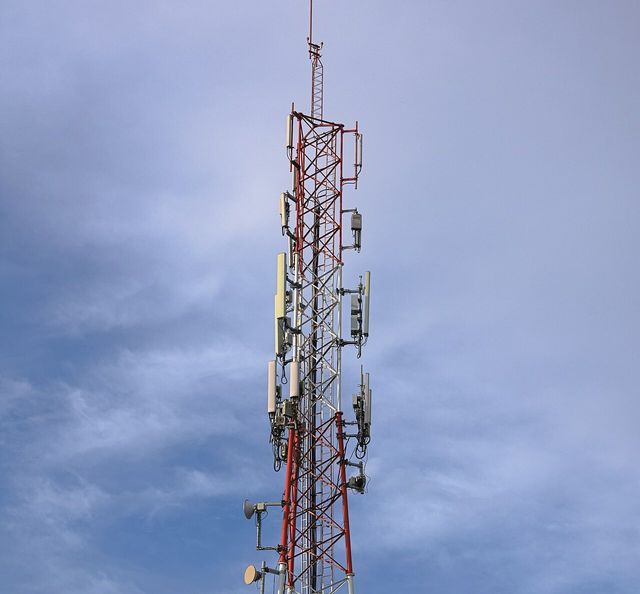
A cellular base-station towerThe link4G LTE, for everywhere there is no Wi-Fi to borrow

A smart bin that fills up and tells nobody is just a bin with a battery.

Layer zero · what a device can feel

A sensor turns something physical into a number

₹150

Temperature & humidity

DHT22, BME280. Weather stations, cold chain, comfort control.

₹100

Distance

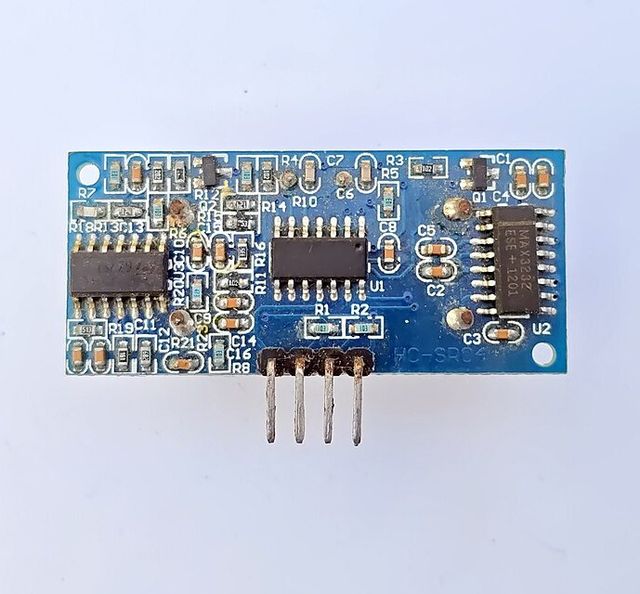
HC-SR04 ultrasonic, VL53L0X laser. Is the bin full? Is somebody at the door?

₹120

Motion & orientation

PIR for presence, MPU6050 for tilt and shake. Did it move, and which way is up?

₹60

Light & colour

LDR, TCS3200. Is the lamp on, is it day, what colour is this object?

₹200

Gas & air quality

MQ series for smoke and CO, SDS011 for PM2.5. The basis of every air-quality project.

₹180

Current & power

ACS712, INA219. How much energy is this thing actually drawing?

₹250

Weight & force

Load cell plus an HX711 amplifier. How much stock is left inside the machine?

₹400+

A camera

The most general sensor there is. Anything you can see, you can measure — once you add the AI.

Almost every product in this deck is one of these eight, plus a decision, plus a way to tell somebody.

A short history, because it explains the jobs

None of this is new. It just got cheap enough.

2000 – 2005

Machines talking to machines

Industrial automation and M2M links. Expensive, factory-only, and nobody called it IoT yet.

2005 – 2010

Things get addresses

Embedded systems and RFID. Devices could be identified and networked — but you needed a company behind you to do it.

2010 – 2015

The maker wave

Arduino and Raspberry Pi arrive. Suddenly a student can build a connected device for a few hundred rupees. This is the door opening.

2015 – 2020

Industry grows up

Industry 4.0 and cloud IoT platforms. Fleets of devices, dashboards, and the first genuinely large deployments.

2020 – 2023

The AI moves onto the device

Edge AI and TinyML. Models start running on the microcontroller itself instead of phoning a server.

2023 – now

The boring, useful era

Smart cities, 5G, AI plus IoT in logistics and agriculture. Less hype, far more deployment — which is exactly where the jobs are.

The tools became affordable around 2010. Everything since has been about who actually bothers to deploy them.

One product, end to end

Every real system is the same loop
An ultrasonic distance sensor module
01 SENSE
Sensor
camera · ToF · load cell
An ESP32 development board
02 ACQUIRE
PCB + MCU
ESP32 · STM32 · power
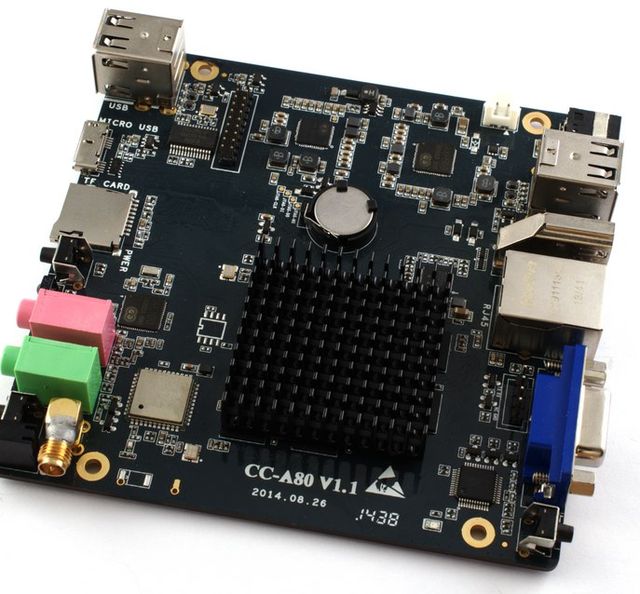
A single-board computer with a heatsink
03 DECIDE
Edge AI
Jetson · NPU · TensorRT
A cellular base-station tower
04 CARRY
Connectivity
4G LTE · LoRa · MQTT
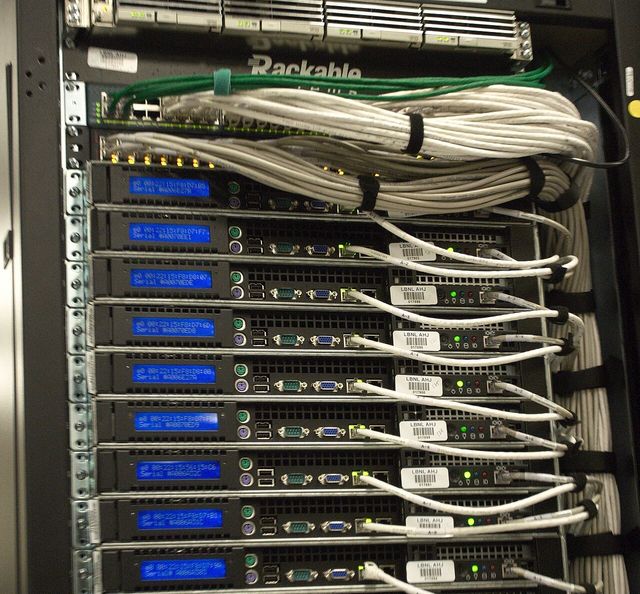
Servers in a data-centre rack
05 STORE
Cloud + API
queue · database · alerts
An Aeonix dashboard on screen
06 SHOW
App / Dashboard
what the customer pays for
and back out — actuator · motor · display · a person who acts

Six specialisations. Break any one link and the loop never closes — which means the product does not exist.

The same loop, as physical objects

These are the parts you'll actually hold
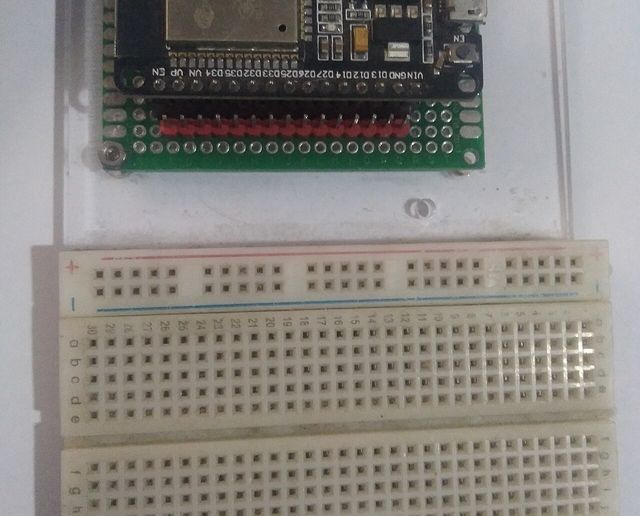
ESP32 development board
Start here

Dev board

ESP32 or STM32 on a breadboard. Wi-Fi, BLE, deep sleep, and about ₹400.
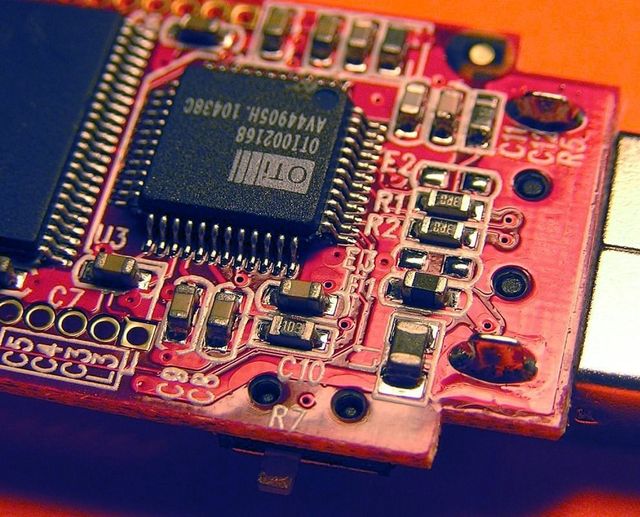
Surface-mount components on a printed circuit board
Then this

Your own PCB

Schematic, layout, footprints, SMT assembly. The step that turns one into five hundred.
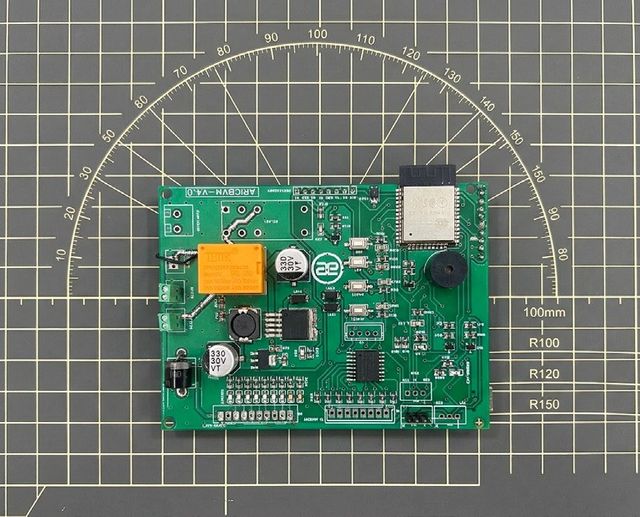
A custom Aeonix board laid out with dimensions
What ours looks like

A production board

Designed, dimensioned and manufactured in-house, for machines already in the field.
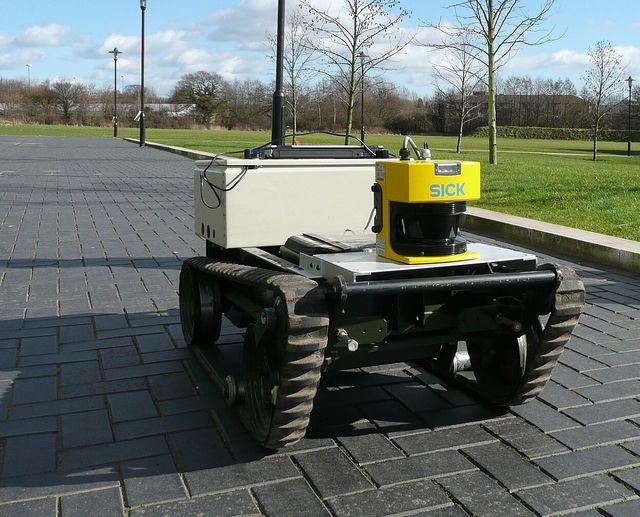
A tracked mobile robot carrying a LiDAR sensor
When it moves

LiDAR + compute

The sensor that lets a robot know where it is — and the board that decides what to do.
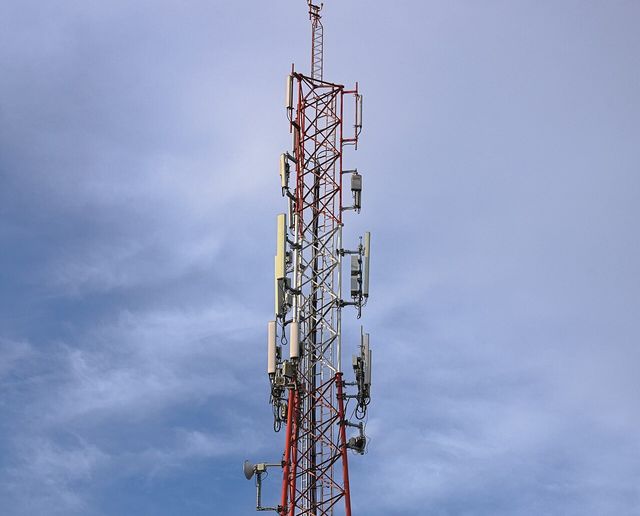
Cellular base station tower
The bit you forget

Coverage

Your device is only as reliable as the tower it can reach. Design for the network being gone.

None of this is exotic. Everything on this slide is buyable today, and most of it costs less than a phone.

Layer 01 · Hardware — the part you can drop

Hardware is whatever survives the room it lives in

  • Power comes first. Ask “what keeps this running?” before you design anything else. A device that needs charging every day is a device nobody uses.
  • The cheap bits break first. Almost never the chip. It's the wire, the plug, or the connector somebody pulled too hard. Design for that.
  • Sealed boxes get hot. A hot chip slows itself down to protect itself. Leave the heat somewhere to go.
  • One is easy. Five hundred is the job. Making one that works and making hundreds that all behave the same are two different skills.
  • Somebody has to repair it. Can a technician swap it in ten minutes, outdoors, without a laptop? If not, redesign it.
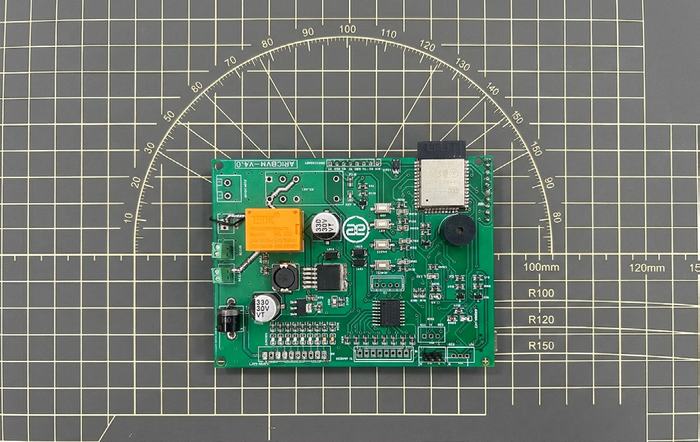
A custom Aeonix PCB laid out with dimensionsOur own boardCustom PCB, designed and manufactured in-house

Reference point: 500+ devices in public environments, 3+ years of continuous uptime.

Layer 01 · your syllabus

Hardware: what to actually learn, in order

Weeks 1 – 4

Get current flowing

Read a circuit diagram. Ohm’s law, voltage dividers, pull-up resistors. Blink an LED. Learn a multimeter before you trust anything you build.

Months 2 – 4

Make it do something

C / C++ on an ESP32 or STM32. GPIO, PWM, ADC, interrupts. UART, I²C and SPI. Read a datasheet properly. Drive a motor, read a sensor.

Months 5+

Make it a product

KiCad — schematic to layout to a board somebody fabricates. Power and battery design. An RTOS. Order five boards and make all five work.
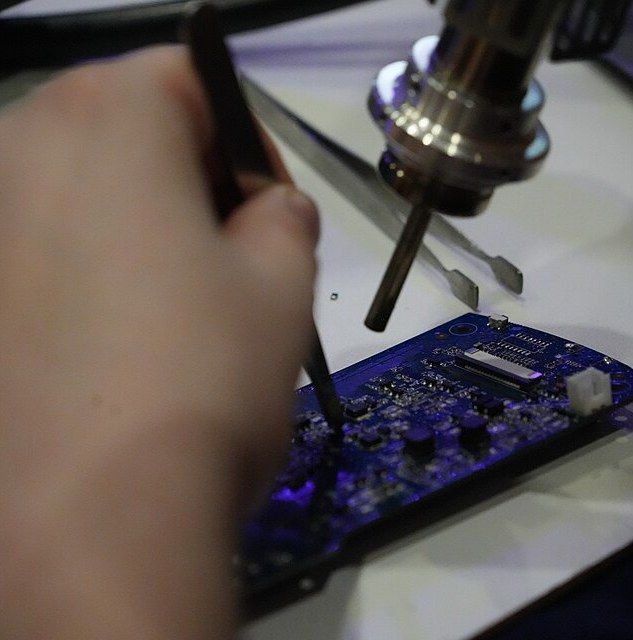
Hand soldering a circuit board under a microscopeMonth one looks like thisA soldering iron and a board you made
Tools · Arduino IDE or PlatformIO · KiCad · multimeter · soldering iron · logic analyser · an oscilloscope when you can borrow one

Nobody is born knowing this. Every step above is four weekends, and the whole ladder is about six months.

Layer 02 · AI — teaching a machine to notice

The model is the easy part. Everything around it isn't.

  • A model just spots patterns. You show it thousands of examples until it can recognise the next one. That is genuinely all it is.
  • Being fast matters as much as being right. An answer that arrives too late is a wrong answer. Decide your time limit before you pick a model.
  • On the device, or over the internet? On the device is quick and private. In the cloud is more powerful, but it stops working when the network does.
  • Your own photos beat downloaded ones. Two hundred pictures from the actual place beat twenty thousand from the internet. Every time.
  • Plan for “not sure”. What should it do when it is only half confident? Decide that yourself, or it will decide for you.
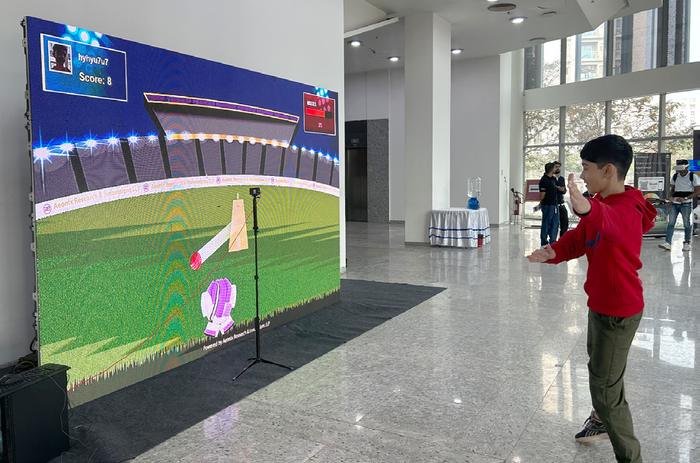
A child playing a gesture-controlled cricket game on a large screenGesture recognition, liveSub-100 ms, on a public installation

Accuracy you cannot run inside the latency budget is 0% accuracy.

Layer 02 · your syllabus

AI: what to actually learn, in order

Weeks 1 – 4

Get comfortable

Python, NumPy, Pandas. What training data actually is, and why it decides everything. Run somebody else’s pretrained model and watch it work.

Months 2 – 4

Train your own

Collect and label a few hundred images yourself. Train a small classifier. Learn what accuracy hides — precision, recall, and the one case that matters.

Months 5+

Make it run anywhere

OpenCV on real camera frames. Export to ONNX, convert with TensorRT. Put it on a Jetson or a phone and measure milliseconds, not epochs.
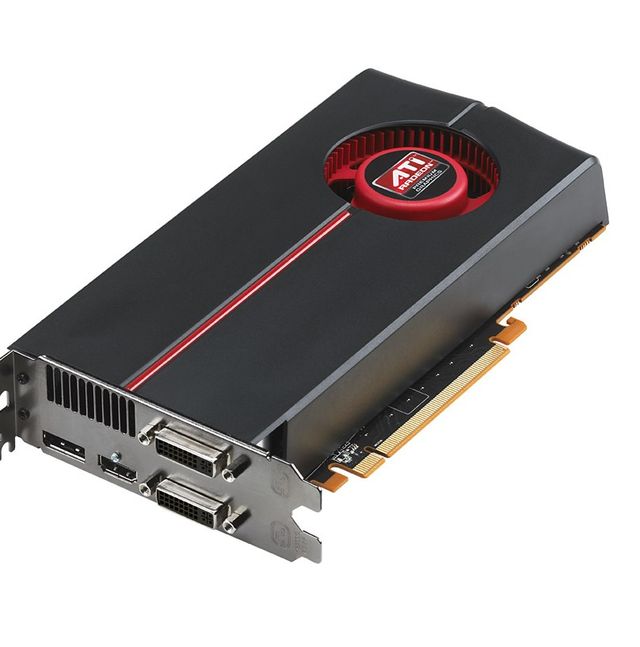
A graphics card used for training machine-learning modelsYou need less than you thinkA second-hand GPU will train your first models
Tools · Python · PyTorch · OpenCV · labelImg or Roboflow · ONNX · TensorRT · a Jetson, or any GPU you can get at

You do not need to invent a new architecture. You need to make an existing one work on real data, fast.

Layer 03 · Software — the part that keeps it alive

Software is how it keeps working after you leave

  • You must be able to update it from your desk. If you cannot send new software over the internet, every small bug becomes a train journey.
  • Let the machine tell you how it is doing. A device that reports in every hour is a device you can trust. One that goes quiet is a site visit waiting to happen.
  • People see the screen, not the machine. Whoever pays for it will judge it entirely by the dashboard. Make that part clear and honest.
  • Save your work properly. Use Git. Not final_v3_FINAL.zip. This is genuinely the first thing an interviewer opens.
  • Assume the internet will drop. Keep the data on the device and send it when the connection returns. And never ship a default password.
Aeonix engineer writing firmware at a workstationThe unglamorous halfFirmware, backend, dashboards

Hardware wins the pilot. Software wins the renewal.

Layer 03 · your syllabus

Software: what to actually learn, in order

Weeks 1 – 4

The floor everyone stands on

The Linux command line. Git properly — branch, commit, push, and read a history you did not write. One language until it feels boring.

Months 2 – 4

Move data around

A REST API and a real database. MQTT publish and subscribe. A dashboard somebody else can open on their phone without you explaining it.

Months 5+

Keep it alive

Docker. A cloud VM. HTTPS, auth and secrets. Logs you can search. Deploy something and keep it up for a month without touching it.
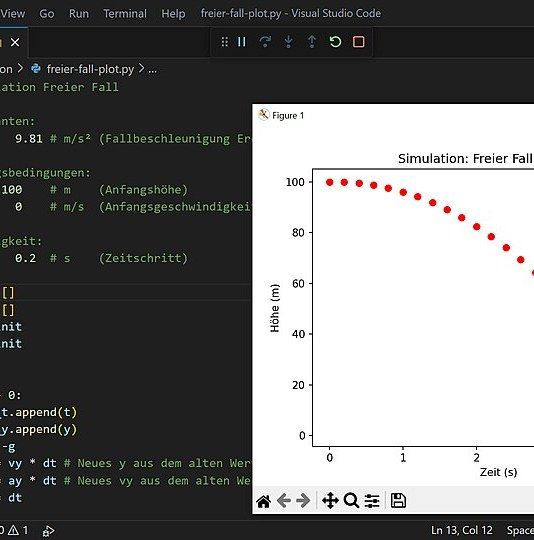
Python source code and a plot open in a code editorWhere most of the hours goNot glamorous, and utterly non-negotiable
Tools · Linux · Git and GitHub · Python or Node · PostgreSQL · MQTT · Docker · any cloud free tier

This is the half that hardware people skip — and it is exactly why they get stuck at prototype.

Layer 04 · Robotics — when the machine moves

A robot is the same stack, plus wheels and consequences

  • A robot is only four things. Sensors to see, a computer to decide, motors to move, and a map so it knows where it is. Everything else is detail.
  • Now mistakes have weight. On a screen a bug is annoying. On wheels it can hit somebody. Safety gets designed in at the start, not added later.
  • Most of the code is “what if”. What if it is blocked, lost, low on battery, or a person steps in front of it? That list is the project.
  • The tools are free and standard. ROS 2, Nav2 and SLAM are what the whole industry uses. Learn them once and they follow you everywhere.
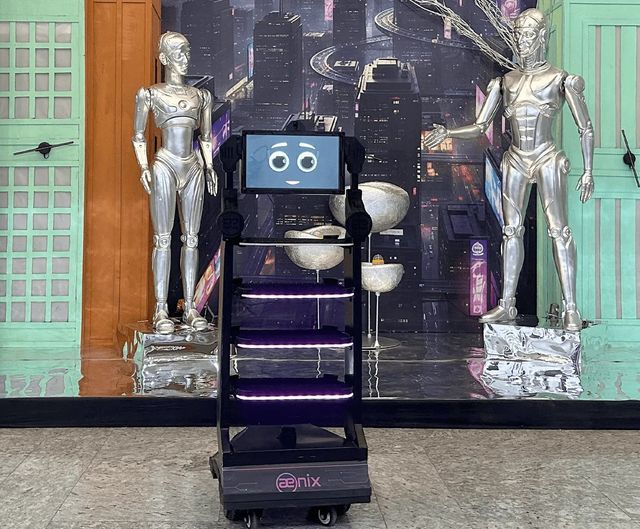
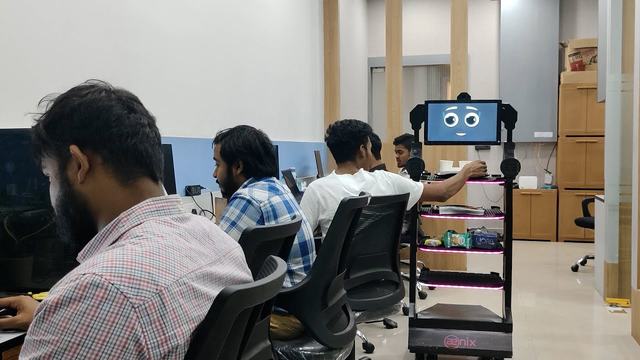
Misti, the Aeonix autonomous service robotMisti — oursBengal's first food-serving robot. Sensors, a computer, motors, and a map.

Same four layers as everything else — but now a bug moves.

The honest map

Where most projects stop, and where industry starts

Idea
Breadboard
Working prototype
Most college projects end here
Custom PCB
Enclosure & DFM
Certification
Field pilot
100 units
Service & iterate

The prototype

Roughly 20% of the work and almost none of the value. It proves the idea is possible — nothing more.

The product

PCB, enclosure, certification, manufacturing. This is where most of the engineering hours actually go.

The system

Deployed, serviced, updated, measured. This is the part a company pays a salary for — and almost none of it is taught.

How to start, and how to keep going

The path, month by month

Month 1
Linux, Git and one language properly. Stop switching tutorials.
Month 2
First sensor project. Log a week of real data and plot it.
Month 3
Train a model on data you collected. Measure it honestly.
Month 4
Put it on hardware. Benchmark the latency on the real board.
Month 5
Enclosure, dashboard, power. Give it to someone else to break.
Month 6
Document, record the video, publish the repo, apply.

Two consistent hours a day beats a three-day hackathon and a six-month gap. Consistency is the entire trick — there isn't a second one. After six months, add a second layer — a hardware engineer who can also write the dashboard is worth two people.

02
Section Two

What it looks like
when it's real

One company, six engineering disciplines, and the machines that came out of them — including the ones on this table.

Proof, then a demo
Aeonix Research & Innovations LLP

Founded 2020, Kolkata. Fully bootstrapped.

500+
Machines deployed
in the field
200+
Enterprise &
government clients
30+
Products engineered
and shipped
18
In-house
engineering team
5+
Indian patents
filed
0
Rupees of external
capital raised
10+ countries worked in
Global innovation networkRun out of Kolkata

Government OEM · Defence-deployed · Made in India · DPIIT-recognised · five ISO certifications · CE & RoHS · NVIDIA Inception · NASSCOM affiliated

Capability

Six engineering disciplines, one roof

Embedded & IoT hardware

Custom PCB design, ESP32 / STM32 firmware, RTOS, 4G LTE and LoRa, BMS, motor drivers, EMI-ready layouts.

AI & computer vision

Real-time inference under 100 ms in production. Edge AI on Jetson, Coral and RK3588 NPUs. Privacy-preserving on-device deployment.

Robotics & autonomy

ROS 2, Nav2, SLAM Toolbox, LiDAR + IMU fusion, motion control — mechanical through to firmware.

Surveillance & defence

4G LTE field cameras, wireless audio monitoring, privacy protection, secure mobile and cloud command.

Software platforms

Web and mobile apps, SaaS dashboards, cloud architecture, APIs, data pipelines, AI-integrated enterprise software.

End-to-end integration

Hardware and software co-designed together, device-to-cloud sync, field commissioning, and the long tail of operations.

100% indigenous design, manufacturing, firmware, AI and cloud. Nothing hard is outsourced.

Products we have developed · cleantech

Smart cleantech infrastructure

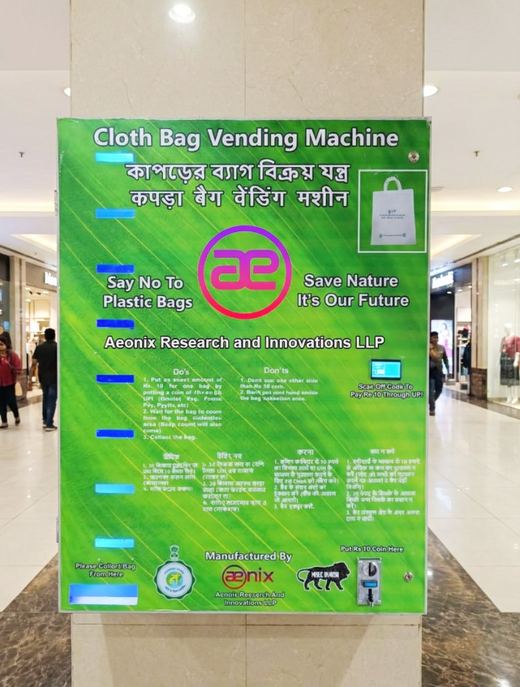
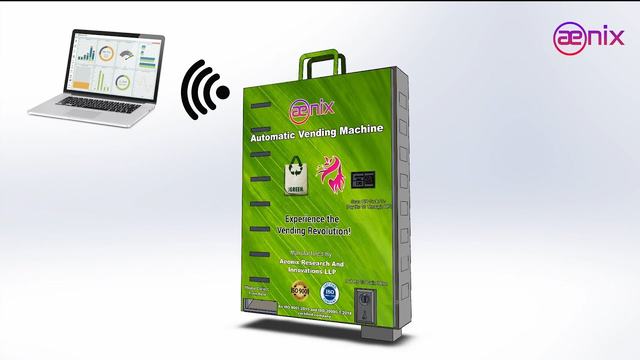
IoT Cloth Bag Vending Machine
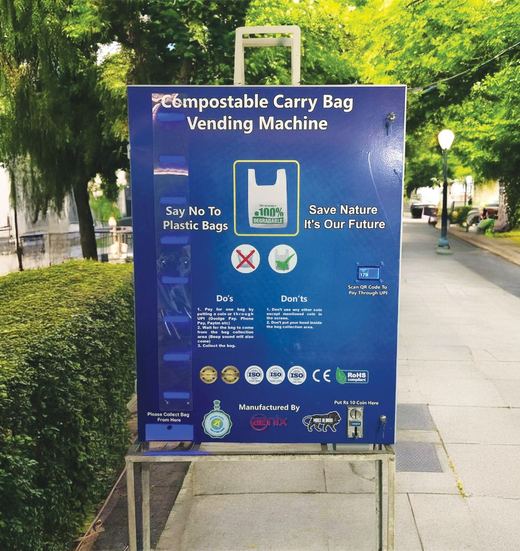
IoT Compostable Carry Bag Vending Machine
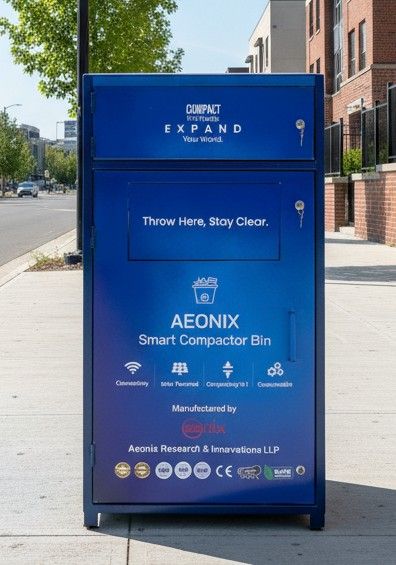
Solar Powered IoT Compactor Bin
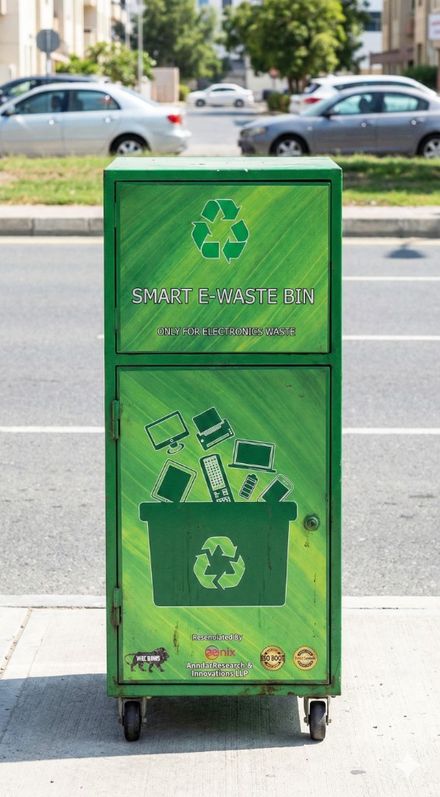
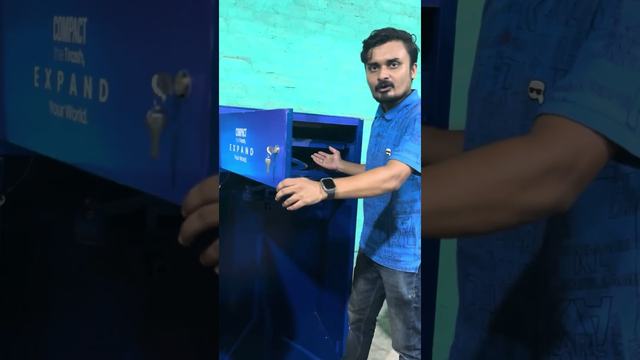
Smart IoT E-Waste Bin
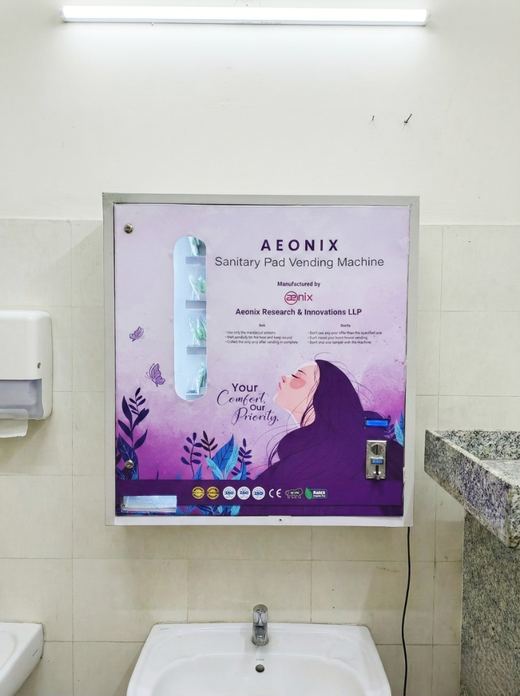
IoT Sanitary Pad Vending Machine and Incinerator
IoT Sanitary Pad Vending Machine & Incinerator

Five machines, 500+ units in the field, three years of continuous public uptime.

Products we have developed · robotics

Robots that work in real places

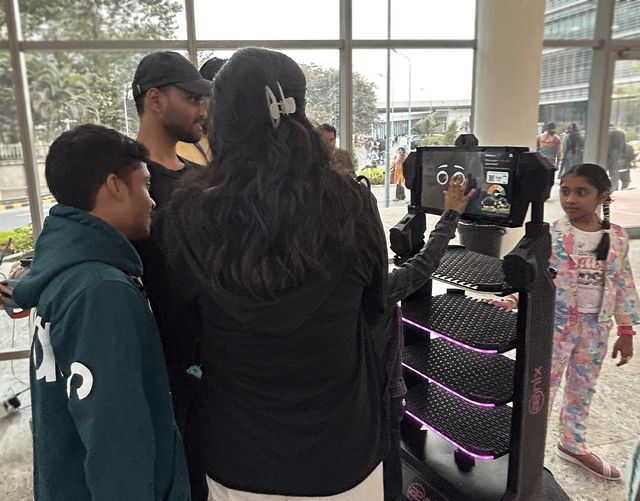
AI-Powered Autonomous Service Robot (Misti)
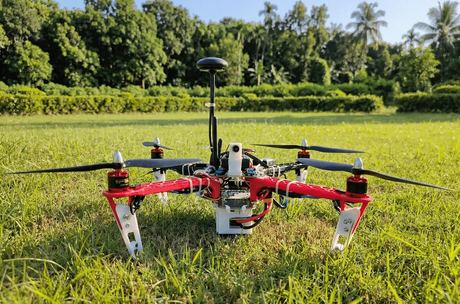
AI-Driven Autonomous Drone System
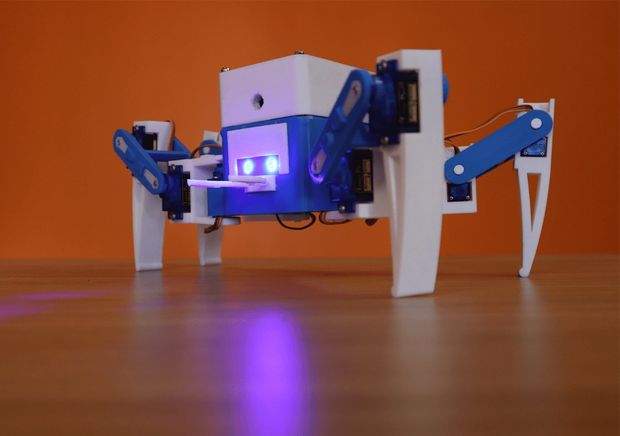
Educational Quadruped Robotics Kit for STEM

Misti is Bengal’s first food-serving robot. The spider kit was a cover story in SERVO and Silicon Chip, and is used for STEM training in US libraries. The drone has flown banner displays over live corporate conferences.

Products we have developed · entertainment

Interactive systems people walk up to and play
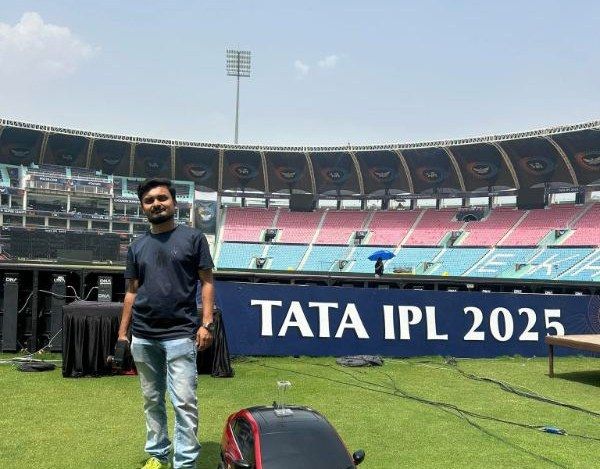
Miniature IPL Tata Curvv Car for Coin Toss
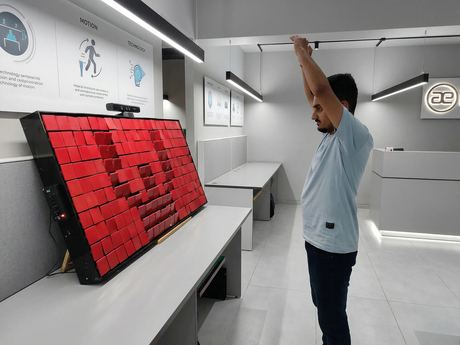
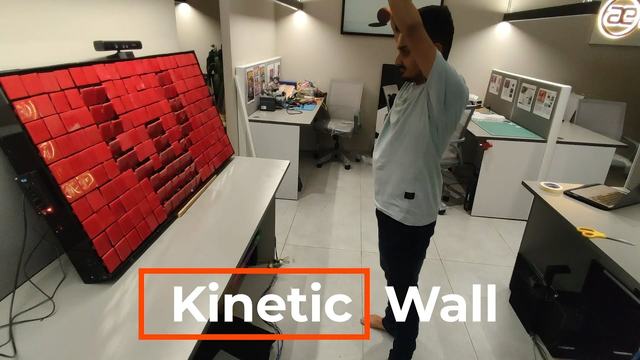
Motion-Responsive Interactive Kinetic Wall Installation
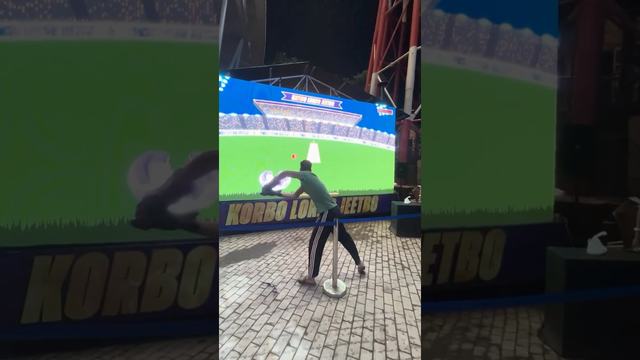
Computer Vision Interactive Gesture-Based Gaming System

Sub-100 ms vision for tens of thousands of live users — no instructions, no second take.

Products we have developed · everything else

And ten more, across security, health and automation
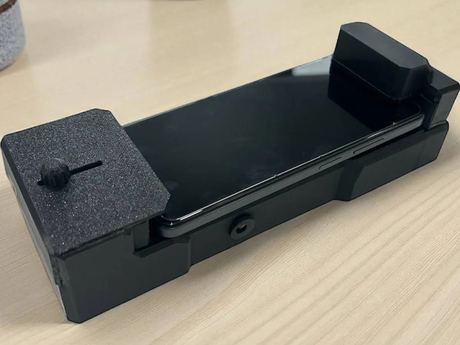
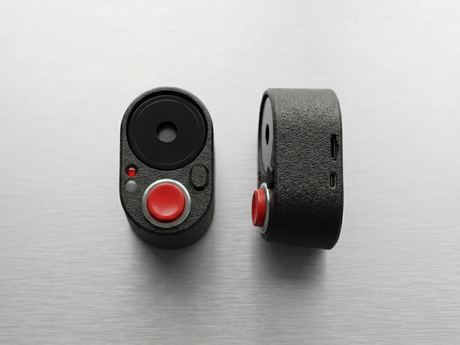
Mobile Anti-Spy Device - Privacy Shield
Mobile Anti-Spy Device — Privacy Shield
4G-Enabled Remote Audio Monitoring Device
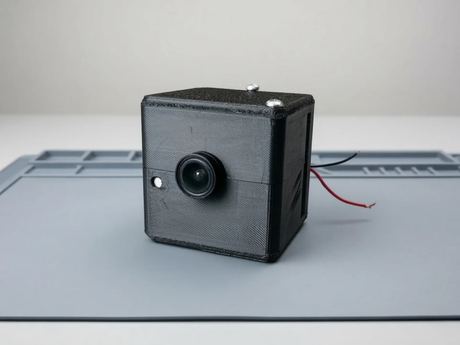
4G-Enabled Compact Surveillance Camera
Custom Emergency Alert and SOS Communication Device
Custom Emergency Alert & SOS Communication Device
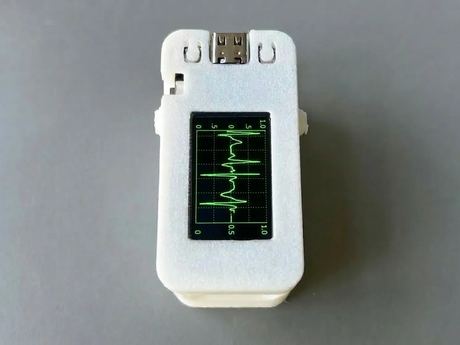
AI-Enabled Multi-Parameter Health Monitoring Wearable
Advanced Medical Parameter Monitoring Kiosk
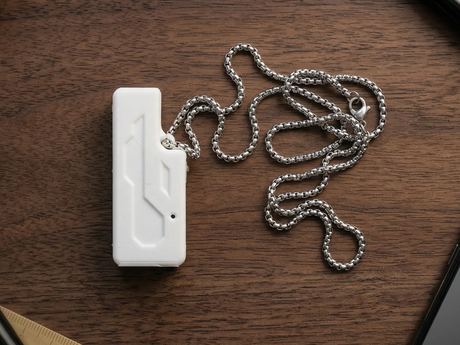
AI-Enabled Wearable Pendant
AI Laser Based Fitness Training System
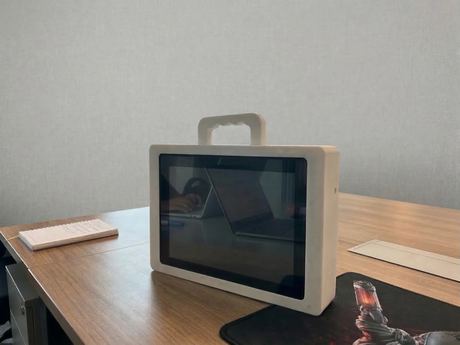
Smart AI Based Feedback Kiosk
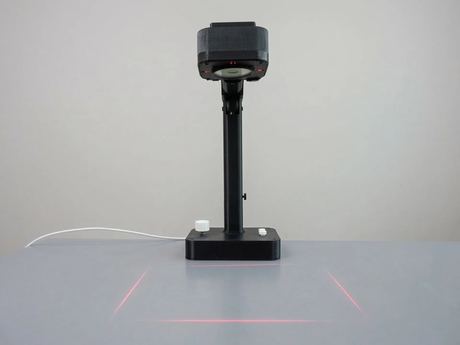
AI-Enabled Overhead Document Scanner with Laser Alignment

21 products in total. Point at any of them and I'll tell you what was hard about it.

See it running · cleantech

The machines, actually working

YouTube ↗
VendingAutomatic Smart Cloth Bag / Sanitary Pad Vending Machine
YouTube ↗
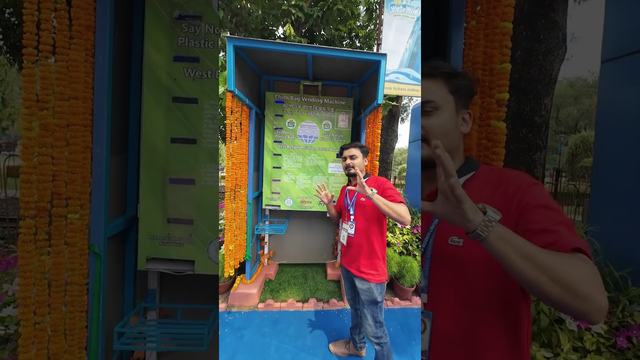
Live installEco-friendly Cloth Bag Vending Machine at Nicco Park, Kolkata
YouTube ↗
CollectionSmart Compactor Bin — Made in India
YouTube ↗
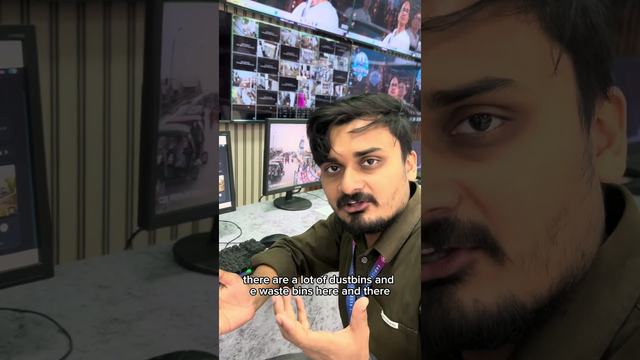
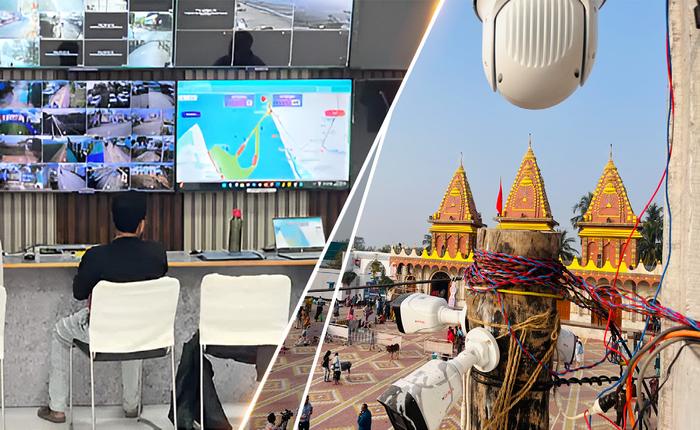
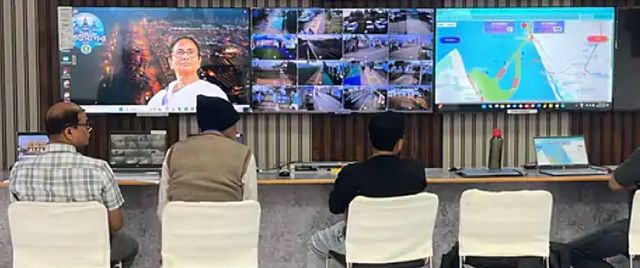
AI monitoringBin Vision AI — real-time bin-fullness detection at Gangasagar

Four different problems, one stack. The last one is a camera and a model doing a job a person used to walk around doing.

See it running · robotics

The robots, in rooms full of people
YouTube ↗
Build storyWe Built a Full-Sized AI Smart Serving Robot — Made in India
YouTube ↗
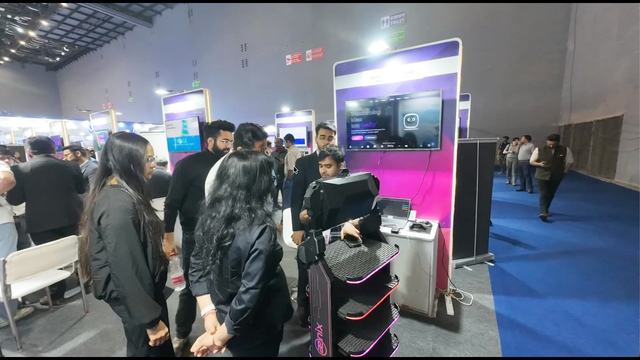
Summit floorMisti stole the show at India AI Impact Summit 2026
YouTube ↗
In publicMisti at the TCS Family Meet — curiosity into inspiration
YouTube ↗
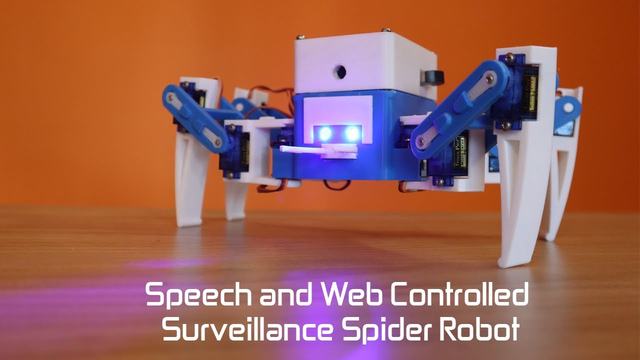
Where it beganSPY-DER — speech and web-controlled surveillance spider robot

SPY-DER was the first thing we ever shipped abroad — it went to the USA for student training.

See it running · devices

Devices that look after people

YouTube ↗
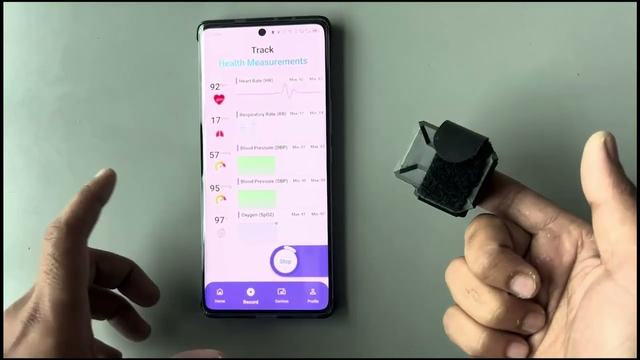
HealthcareAI-powered healthcare wearable — BP, SpO₂ and heart rate
YouTube ↗
Elder careCustom SOS system — device, app and cloud sync
YouTube ↗
PrivacyAnti-Eavesdropping Device — mobile audio jammer
YouTube ↗
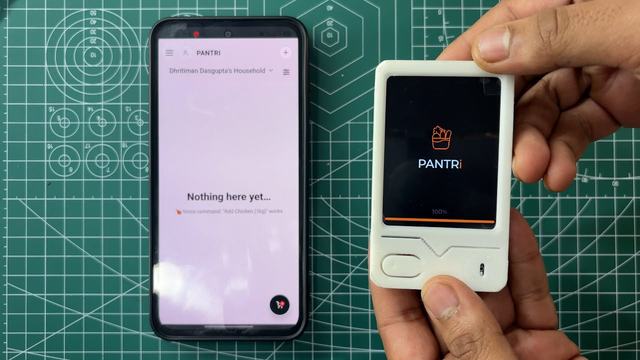
Home AIPantri — AI-powered pantry item tracking, with a mobile app

A wrong reading here is not a bug report, it is a person. That changes how you test.

See it running · experiences

Things people walk up to and use

YouTube ↗
FitnessGym-Beam — AI laser-based fitness training system
YouTube ↗
InstallationInteractive Kinetic Wall, powered by a Raspberry Pi
YouTube ↗
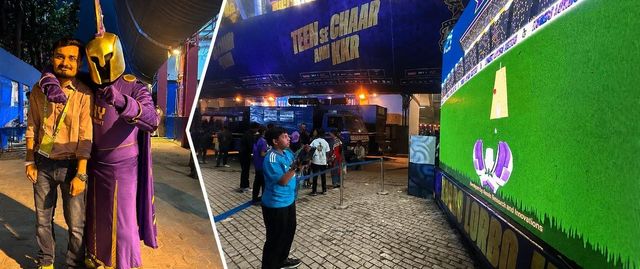
StadiumGesture-controlled AI cricket game for IPL 2025, with KKR

No instructions, no training, no second take. It works the first time a stranger touches it, or it does not work.

The same products, in the field

These are photographs, not renders

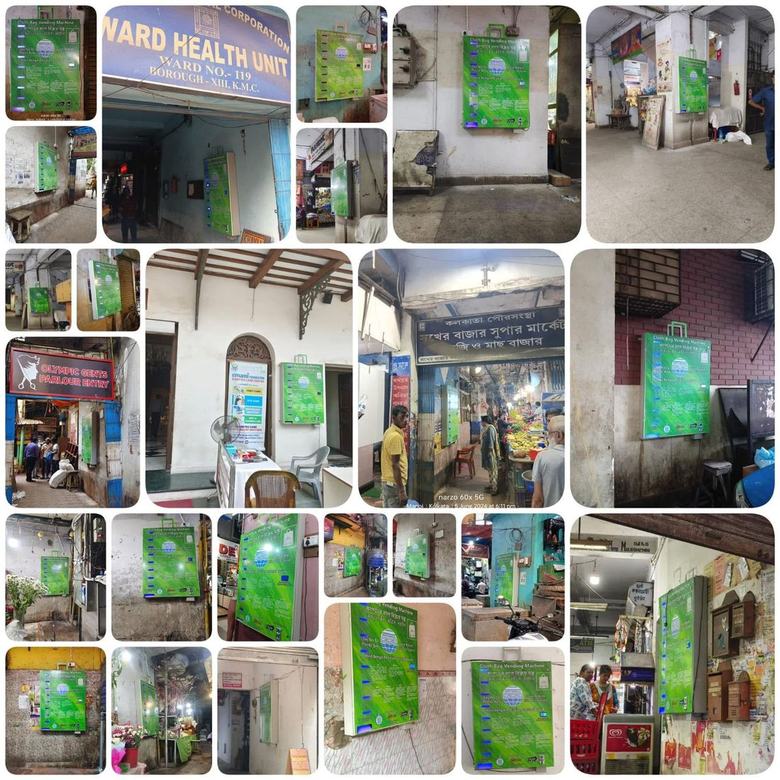
Cloth bag vending machines installed across many public locationsCloth bag vendingAcross 100+ public locations

Pad vending machines installed at rural and tribal institutionsPad vendingRural and tribal schools and hostels
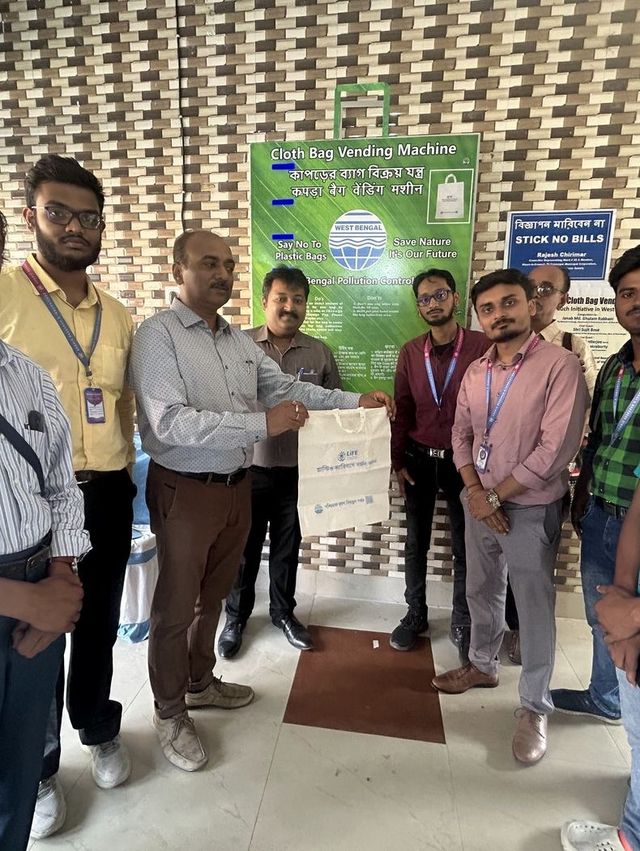
Handing over a cloth bag vending machine to a client teamHandover dayA machine becoming somebody's responsibility
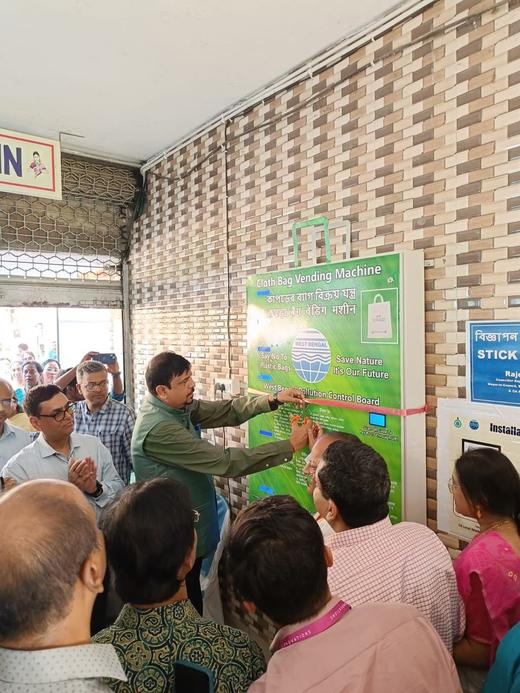
Ribbon-cutting inauguration of a vending machine installationInaugurationRibbon, crowd, and a machine that must now work

Every one has a PCB we designed, firmware we wrote, and a dashboard somebody checks on a Monday morning. That's the whole job.

What the machines have done

Impact is an engineering output

10 lakh+
Reusable cloth bags
put into circulation
~100 t
Single-use plastic
avoided
~200 t
CO₂e reduced
≈ 10,000 urban trees
50K+
Girls served through the
hygiene access programme
100+
Installation locations
in West Bengal alone
3+ yrs
Continuous uptime in
public environments

None of this happens if a connector corrodes, a modem drops, or nobody reads the dashboard. Impact is downstream of reliability.

Who puts these systems in the field

The client list that took four years to write
Government and defence clients
Enterprise and academic clients

Government & defence

Government of India · Indian Army · Government of West Bengal · WBPCB · Sikkim PCB · Central PCB · National Council of Science Museums · WEBEL · Haldia Municipality

Enterprise

Tata Motors · ITC Limited · CK Birla Group · TCS · Kolkata Knight Riders · DNA Networks · CuraFoot

Academia & research

IIT Hyderabad, JIS College of Engineering, GNIT, GCELT and ten more institutions running our systems or training on them.

200+ clients. Government procurement, defence, enterprise and academia — every one of them a reference somebody else checked before signing.

Four deployments, four different hard problems

The constraint is never the algorithm

AI sanitation monitoring at a mass gathering
Gangasagar Mela

AI sanitation, mass gathering

Real-time cleanliness detection across a temporary city. Hard part: crowd density, no reliable network, alerts that must reach a human who will move.
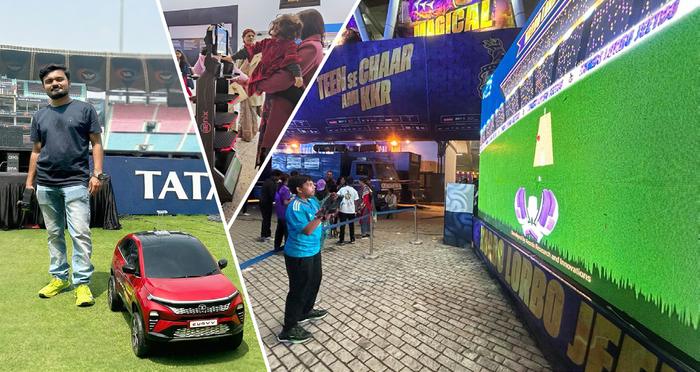
Tata IPL gesture gaming and the Curvv toss car
Tata IPL · KKR

Gesture gaming and the toss car

Sub-100 ms for tens of thousands of users, plus the Curvv toss car across every IPL 2025 stadium. Hard part: it runs live, or not at all.
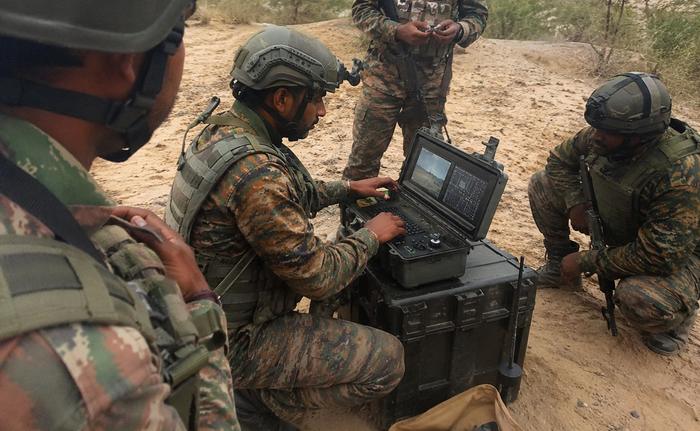
Field-deployed surveillance equipment with Indian Army personnel
Indian Army

4G LTE surveillance

Field-deployed cameras and secure devices. Hard part: ruggedisation, power, secure links, and behaving predictably where nobody can come and debug it.
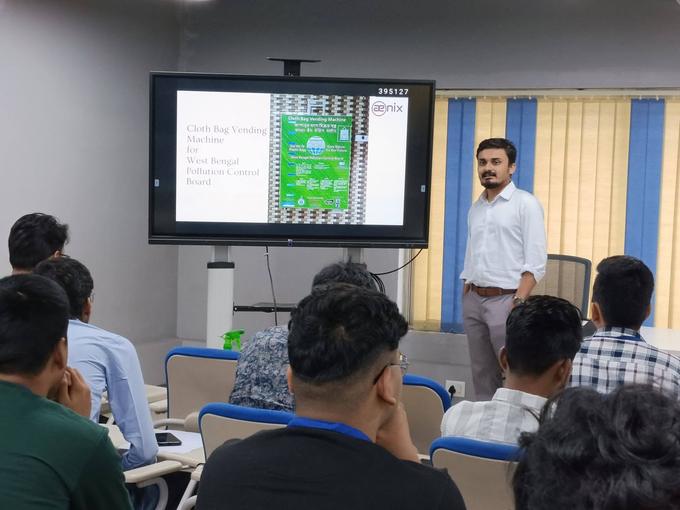
Presenting the cloth bag vending machine to the West Bengal Pollution Control Board
Government of West Bengal

Becoming a Government OEM

Presenting to the Pollution Control Board. Hard part: compliance, procurement, and proving three years of uptime before anyone signs.

Also deployed with Tata Motors · ITC · WEBEL · CK Birla · IIT Hyderabad · Haldia Municipality · Sikkim SPCB

One machine, layer by layer

The same six boxes, inside one vending machine
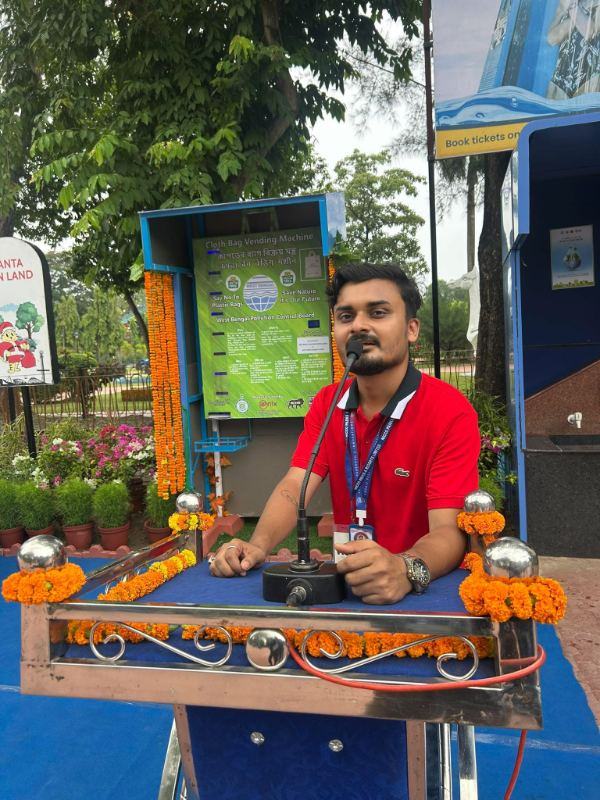
Arijit Das with the cloth bag vending machine on launch dayThe machine in questionCloth bag vending, launch day
LayerIn this machineWho owns it
SenseStock sensor, coin acceptor, door switch, temperatureEmbedded engineer
AcquireCustom PCB, MCU firmware, motor driver, power supply, BMSHardware + firmware
DecideDispense logic, fault handling, offline queue, anti-jam retryFirmware engineer
Carry4G LTE modem, MQTT over TLS, store-and-forward on network dropIoT / backend
StoreCloud ingest, database, alerting rules, UPI reconciliationBackend engineer
ShowOperator dashboard, stock alerts, sales analytics, service ticketsFull-stack + design

Six people. One product. Every one of those rows is a job you can hold.

03
Section Three

Becoming
industry ready

Not a motivational list. What actually gets checked when a company decides whether to pay you.

The checklist
Hiring, honestly

Five things we actually check

01

Have you finished anything?

Finished means enclosed, documented, and used by someone who is not you. "It worked once in the lab" is not finished.

02

Can you debug code you didn't write?

Ninety percent of your first year is reading someone else's work and finding out why it stopped.

03

Can you read a datasheet?

Open it to a timing diagram or a register table. Can you find the answer without a tutorial?

04

Do you use Git properly?

Branches, real commit messages, a README. final_v3_FINAL.zip tells us everything we need to know.

05

Can you explain it in two minutes?

To someone non-technical. If you cannot, you do not understand it — and you cannot face a customer.
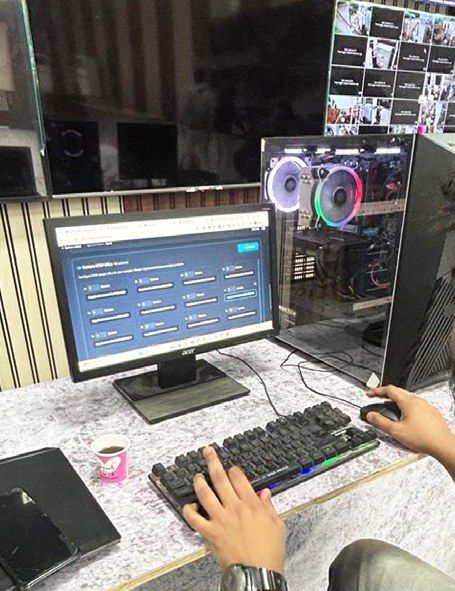
An engineer debugging hardware at a workstationThe actual jobSomebody else’s code, on somebody else’s board, at 6pm

Your marks get you the interview. These five get you the offer.

The portfolio that works

Build three things. That's the whole strategy.

Something that senses

A real sensor, real data, a real decision. Log it for a week and plot what actually happened — including the noise and the gaps.

Something that thinks

A model trained on data you collected yourself. Not a Kaggle dataset. The collection is the lesson.

Something that ships

Deployed, with a UI, used by a stranger. It runs when you are asleep. It recovers when the power blinks.

Then document all three. A public repo with a clear README and a 60-second video beats a forty-page project report every single time.

Nothing to lose but a Saturday

Your first real project, start to finish

Step 01

Buy the parts

ESP32 (₹400), a DHT22 sensor (₹150), breadboard and jumper wires (₹200). Under ₹800 total.

Step 02

Get one reading

Blink an LED first. Then print the temperature to the serial monitor. That is day one finished.

Step 03

Send it somewhere

Publish over MQTT to a free public broker. The moment it leaves the board, it stops being electronics and becomes IoT.

Step 04

Draw it

Node-RED, Grafana or ThingSpeak — all free. Now somebody who is not you can see what your device knows.

Step 05

Leave it running a week

Wi-Fi drops. Readings go strange at 3 a.m. The board resets. This step teaches you more than the other four combined.
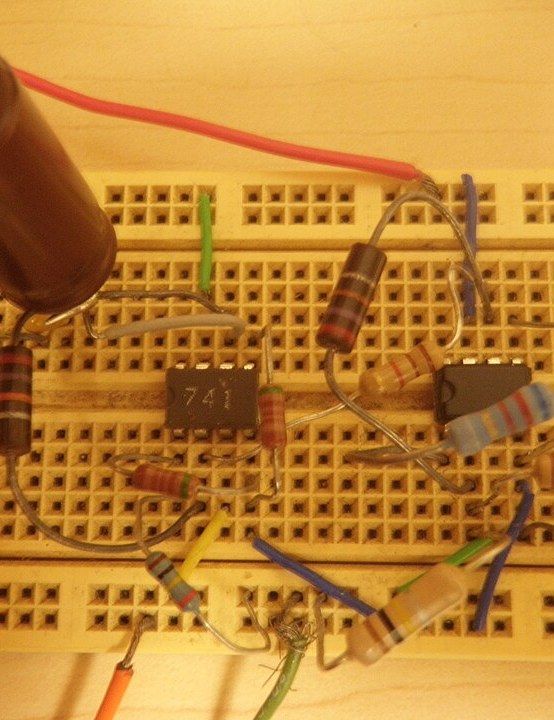
A breadboard circuit wired up with componentsThis is the whole thingA board, a sensor and some wire — less than a pizza

One weekend, under ₹800. Step five is what separates you from everyone else with the same kit.

If you need somewhere to start

Twelve projects worth building

Water tank monitor

Ultrasonic sensor, alert before it runs dry.

Air quality logger

PM2.5 in your own room, plotted for a month.

Face-recognition attendance

Camera plus a model, on a Raspberry Pi.

Automatic plant watering

Soil moisture, a pump, and a decision.

Smart energy meter

Find out what actually costs you money at home.

Bin fill-level sensor

Exactly how our compactor bins started.

Gesture-controlled game

A webcam, OpenCV, and something to play.

Number plate reader

ANPR on a parking gate. Harder than it looks.

Line follower, then obstacle avoider

The classic first robot, then the first hard one.

Cold-chain temperature tracker

Log a journey, prove nothing spoiled.

Fall detection for the elderly

An IMU, a threshold, and a phone alert.

Crowd counter for an event

Count people through a door. Then handle two at once.

Pick the one that annoys you personally. That is the one you will actually finish.

The uncomfortable comparison

India writes the world's software. It doesn't build the hardware.
What China built

  • A complete components and manufacturing ecosystem
  • Decades of sustained R&D investment
  • Government policy pointed squarely at hardware
  • Scale, and an export economy to absorb it

Where India is short

  • Import dependency — sensors, microcontrollers and components nearly all arrive from abroad
  • Few places to prototype — not enough fab labs, maker spaces or small-run manufacturing
  • An academic gap — the curriculum is software-first; hardware design barely gets taught
  • Research that stops at the paper — very little makes it into a manufactured product
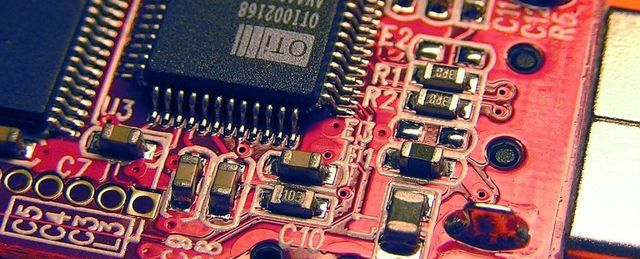
Surface-mount components on a circuit boardThe componentsAlmost all of them arrive from somewhere else
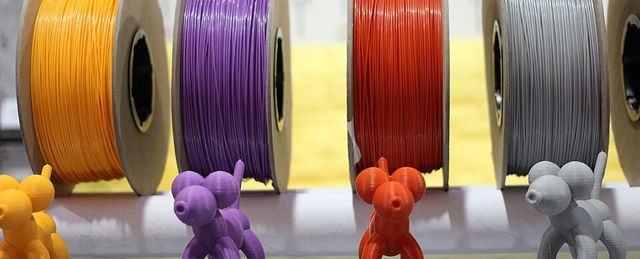
3D printing materials and printed partsThe prototyping gapToo few places to make one and try it
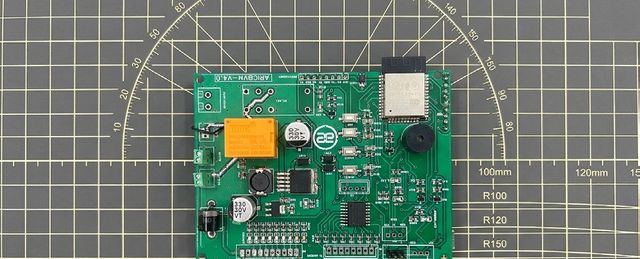
A custom Aeonix printed circuit boardWhat closing it looks likeA board designed and made here

Read that right-hand column again. Every line is an unfilled job — and it is exactly why this company exists.

You can start this week, for almost nothing

Where to actually learn this

Boards to start on

Arduino Uno or Nano to begin · ESP8266 / ESP32 for Wi-Fi and Bluetooth · STM32 when it gets serious · Raspberry Pi 4 or 5 · NVIDIA Jetson for AI on device.

Protocols to learn

MQTT first · then HTTP / REST and WebSocket · CoAP, LoRaWAN and BLE for low power or long range · plus OTA updates, RTOS and Node-RED.

Watch and read

YouTube: Sparklers, Andreas Spiess, Techiesms. Courses: NPTEL, Coursera, Udemy. Magazines: Electronics For You, The MagPi, Servo.

Where to get unstuck

GitHub for code · Hackster.io and Instructables for full build write-ups · r/IoT and Stack Overflow when something refuses to work at 2 a.m.

Electronics For You magazine cover
Circuit Cellar magazine cover
The MagPi magazine cover
Silicon Chip magazine cover

Sparklers on that list is our own channel — 1.7M+ views, and it is how a lot of people first found us.

Where this actually leads

The roles this turns into

Roles being hired

  • Embedded systems developer
  • IoT cloud integration engineer
  • Robotics software developer (ROS)
  • Edge AI / computer-vision engineer
  • Hardware and PCB design engineer
  • Field deployment engineer

Who is hiring

  • Healthcare and medical devices
  • Automotive and EV
  • Energy and utilities
  • Manufacturing and Industry 4.0
  • Smart appliances and consumer
  • Defence and public infrastructure

What gets tested

  • Hardware: microcontrollers, PCB design, BLE, LoRa
  • Software: Python, C/C++, ROS, MQTT
  • Both: Linux, Git, and security basics
  • And a project you can defend for ten minutes
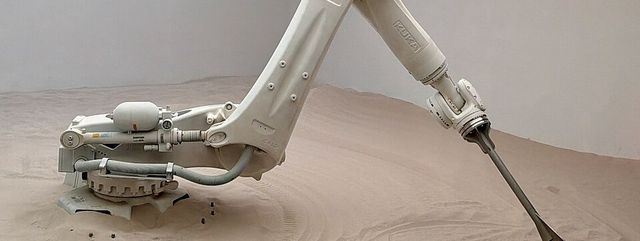
An industrial robotic arm at workAutomationSomebody programs these for a living
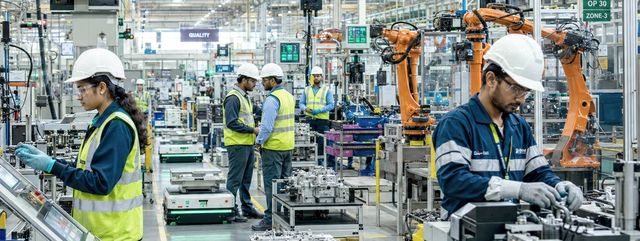
An automated production lineManufacturingIndustry 4.0 is a hiring category, not a buzzword
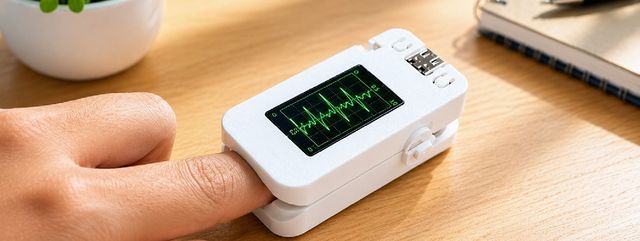
An AI health monitoring wearableHealthcare devicesThe fastest-growing of the lot

There are tens of billions of connected devices in the field. Every one of them needs somebody who understands both halves.

You can follow along at home

Now watch somebody build one, step by step
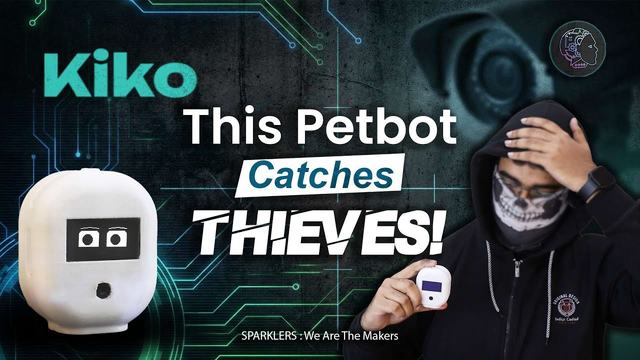
YouTube ↗
TutorialBuild a Talking AI Robot with ESP32 & OpenAI — beginner friendly
YouTube ↗
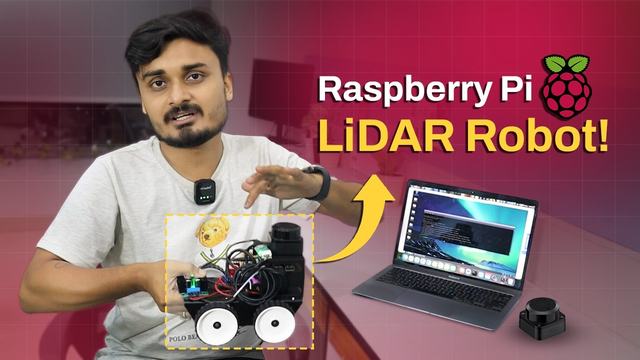
TutorialRaspberry Pi LiDAR Robot — obstacle avoidance, step by step
YouTube ↗
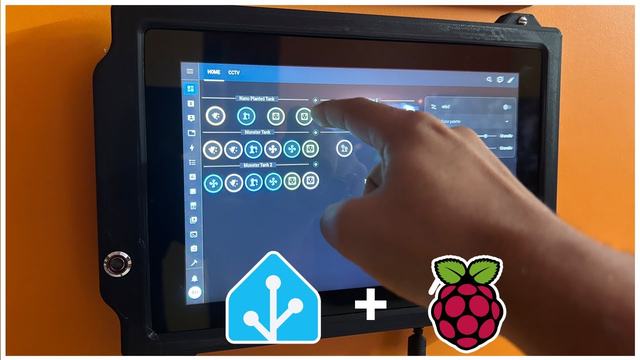
TutorialBuilding a DIY Home Assistant kiosk with a Raspberry Pi
YouTube ↗
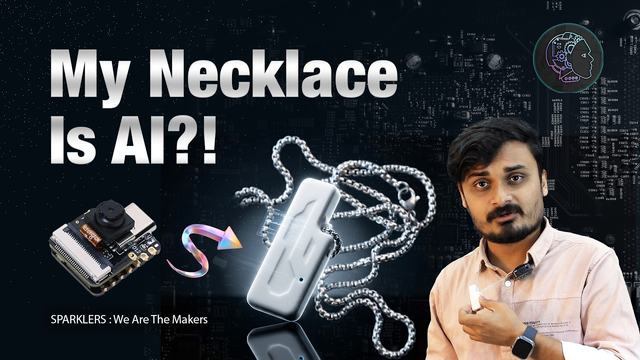
TutorialBuilding an AI Smart Pendant — DIY note taker and summariser
YouTube ↗
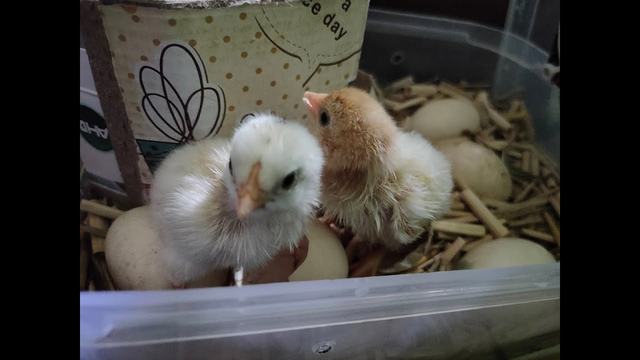
DIYDIY Egg Incubator — egg to chicks in 21 days
YouTube ↗
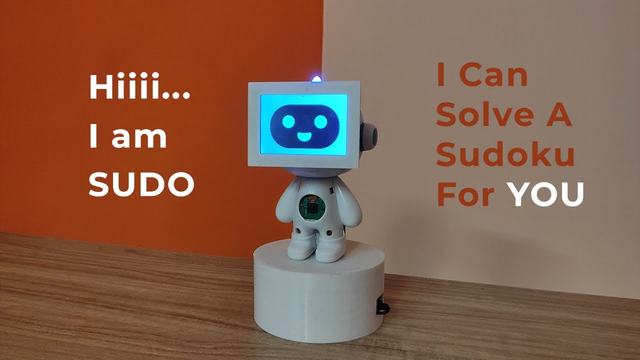
College projectSUDO V2 — a speech-controlled, ML-based Sudoku-solving robot

SUDO V2 was a college project, and it ended up in five-plus global electronics magazines. Start small, finish it, publish it.

Avoidable

Five mistakes that cost years

Tutorial hell

Fifty hours of watching, zero hours of your own broken code.

Never finishing

Six projects at 70%. One finished project is worth more than all six.

No version control

You will lose work, and you will look like an amateur when it matters.

Never measuring

"It's fast" is not engineering. Milliseconds, milliamps, degrees, percent.

Waiting to feel ready

Nobody feels ready. Apply, build and ask early — the door opens sooner than you think.

Every one of these is free to fix, starting this week.

Scope at Aeonix

Internships, and what you'd actually do

Open tracks
  • Embedded firmware — ESP32 / STM32, RTOS, drivers
  • Edge AI & computer vision — Jetson, TensorRT
  • Robotics — ROS 2, Nav2, sensor fusion
  • Full-stack platform — dashboards, APIs, cloud
  • Hardware & PCB design — schematic to DFM
  • Field deployment & commissioning
How to apply well
  • One page. No objective paragraph, no photo.
  • Three project links that actually open.
  • One paragraph on something that broke and how you fixed it. This is what we read first.
  • Name the track. "Anything" reads as nothing.

Send it to contactus@aeonixinnovations.com
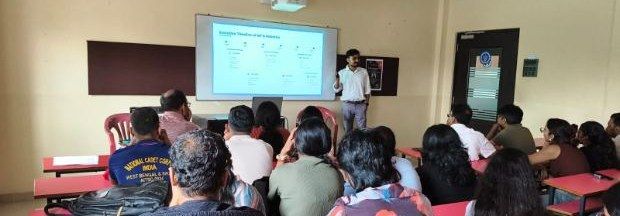
IoT and robotics guest lecture to students15+ collegesIoT & robotics sessions
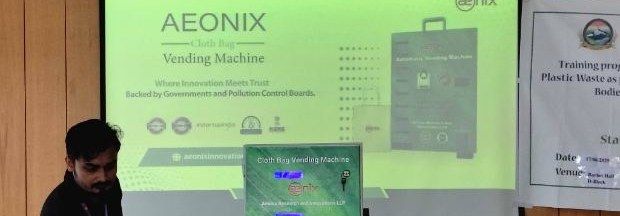
Government training session on plastic waste managementGovernment trainingWBPCB — plastic waste management
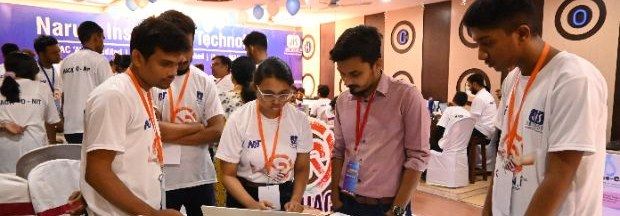
Judging a student hackathonHackathon juryJudging student builds

Track record: 50+ students mentored, 15+ colleges trained in robotics, IoT and embedded AI.

04
Section Four

Building a
company from it

Started at 22 with no capital, no clients and no factory. What that actually involved — and what I'd tell you to do differently.

The business
The part nobody posts about

Bootstrapping means your customer is your investor

Revenue on day one

Not a pitch deck on day one. Someone has to want it enough to pay before it is polished — a much better test than any jury.

The constraint is a filter

You cannot afford to build what nobody buys. That removes an entire category of expensive, comfortable mistakes.

Cashflow beats valuation

Valuation is a story you tell. Cashflow is whether salaries are paid this month. Only one of them is real.

Funding is a tool, not an achievement. Raise when it accelerates something that already works.

Why hardware is not a one-time sale

One machine, five revenue lines

01 · one-time

Machine sale

B2B and B2G hardware sale. The visible part, and the smallest part over time.

02 · recurring

SaaS dashboard

Monthly monitoring and analytics. High margin, and it makes the hardware stickier.

03 · recurring

Maintenance contract

Annual AMC with an uptime commitment. Predictable cashflow, and it keeps you close to the field.

04 · recurring

Consumables

Bags, pads, liners. The machine creates its own ongoing demand.

05 · recurring

Waste partnerships

Revenue share with recyclers on the segregated streams the machines create.

Deploy → dashboard → consumables → expand → recur. Every deployment becomes an annuity — that is the difference between a product and a business.

On the fear of being copied

Ideas are cheap. Deployment is the moat.

Anybody can copy the idea of a smart bin in an afternoon. Here is what they cannot copy in an afternoon:

500 machines

Surviving three years in public, with the failure data that taught us why.

Government OEM status

Registration, compliance and trust that took years of delivery to earn.

Five ISO certifications

Quality, environment, information security, safety, IT service management.

Patents that hold

Filed on the core mechanisms — the parts that were genuinely novel, not the idea.

Your competitive advantage is the boring work nobody else was willing to do for four years.

If you want to start — India, student edition

In this order. Not the other one.

  1. Build the thing first.Before the name, the logo, the Instagram page and the co-founder argument about equity.
  2. Find one paying customer.Even ₹10,000 from a stranger. A paying customer is real evidence; a competition prize is not.
  3. Then register.Udyam / MSME, then DPIIT and Startup India recognition. It takes days and unlocks schemes and tenders.
  4. Use your college incubator.Space, mentors, small grants and legitimacy — the cheapest capital you will ever have access to.
  5. Patent only what is genuinely novel.A mechanism, not an idea. And ideally once somebody is already paying for it.

You do not need permission, a co-founder, or funding to start. You need one working thing and one customer.

05
Section Five

Five questions

Hands up, answer out loud. Wrong answers with real reasoning count — I'm listening for how you think, not what you memorised.

Your turn · press R to reveal
Question 01 · Edge AI

A camera system must react in under 100 ms. Do you run the model on the device or in the cloud — and why?

Click or press R
Answer
On the device. A network round trip alone can consume the entire budget before inference even starts — and the system dies the moment connectivity does. Edge buys you latency, privacy and uptime in one decision.
Question 02 · Sensing

You have to count how many people enter a shop each day. Give me one way to do it — and one problem your way will have.

Click or press R
Answer
Lots of right answers: an infrared beam across the door, a camera counting heads, a pressure mat, a Wi-Fi counter. They all share the same catch — two people walking side by side, somebody standing in the doorway, or a delivery trolley. Picking the sensor is the easy half; the awkward cases are the actual product.
Question 03 · Machine learning

Your model is 99% accurate in the lab and 60% in the field. What is the most likely reason?

Click or press R
Answer
Your training data is not your field data. Different lighting, angle, dust, motion blur, and a different population of subjects. The fix is not a bigger model — it is collecting from the actual deployment.
Question 04 · Systems thinking

What is the difference between an IoT product and simply "a device with Wi-Fi"?

Click or press R
Answer
The loop closes. Data goes somewhere, a decision comes back, and someone or something acts on it. No dashboard, no alert, no action taken — then it is a device with Wi-Fi and a monthly data bill.
Question 05 · Robotics

A robot navigates perfectly in simulation and fails in the corridor. What do you check first?

Click or press R
Answer
Sensor reality — calibration, physical mounting, timestamps and TF frames, and odometry drift. Simulation gives you perfect, perfectly-synchronised data. A real corridor gives you glass, glare and wheel slip.
06
Section Six

Over to you

No slides, nothing off limits — career, technical, company, money, or the parts that went badly.

Open floor
Open floor

Ask the awkward ones

"Should I choose AI or embedded? Which one has a future?"

"Is hardware a bad career in India compared to software?"

"M.Tech, MS abroad, or a job? What did you actually gain?"

"How do I get my first client with no track record?"

"What do you regret about the last four years?"

"My CGPA is low. Am I already out of the race?"
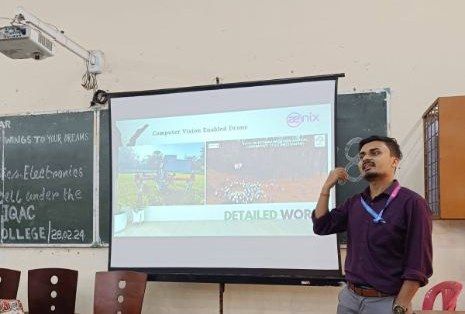
Guest lecture on computer-vision dronesGuest lectureComputer-vision drones
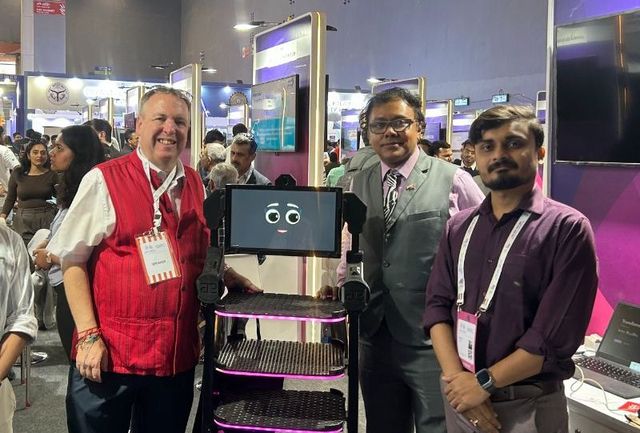
Aeonix robot at the AI India Impact SummitAI India SummitOn the floor with the robot

Bengal Global Business SummitBengal GlobalBusiness Summit
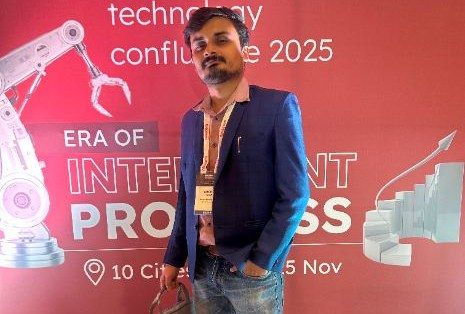
NASSCOM Technology ConfluenceNASSCOMTechnology Confluence
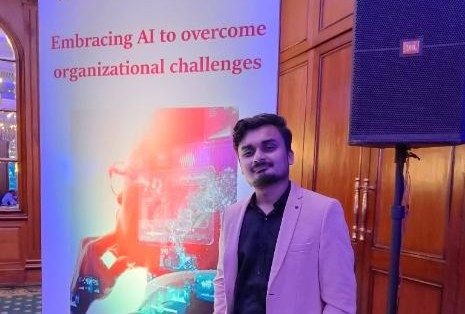
Speaking at a Dell Technologies AI summitDell TechnologiesAI summit, Kolkata

Some of the other rooms this talk has been given in. The questions are always better than the slides.

Before you leave

Two minutes, four questions

  1. Which track interests you most?Embedded · Edge AI · Robotics · Platform · Not sure yet
  2. What is one thing you have built?Anything. A line follower counts. Be specific about what broke.
  3. What do you want to learn next?One skill, named precisely.
  4. Internship or mentored project?Yes / No — and your email if yes.

This is the shortlist

Responses go straight to the engineering team. Name a track and one thing you have actually built, and you will hear back — that is genuinely how we have found interns before.

Or skip the form entirely and write to contactus@aeonixinnovations.com

Aeonix
One thing to take away

The prototype proves it can work.
The deployment proves it does.

Pick one track. Build three things. Finish them. Everything else — the job, the internship, the company — follows from work that survives contact with the real world.
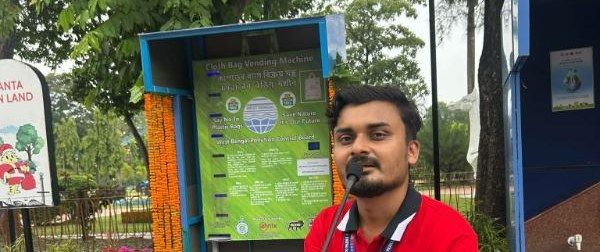
Cloth bag vending machine at launch
Custom Aeonix PCB
AI monitoring control room
Gesture gaming wall at a KKR match
SpeakerArijit Das · Co-Founder & Director
Emailcontactus@aeonixinnovations.com
Companyaeonixinnovations.com
Personaliamarijit.com

Built. Deployed. And still running. Component photography via Wikimedia Commons — ESP32 board © Edwiyanto (CC BY-SA 4.0) · SMT close-up © John Fader (CC BY-SA 3.0) · cell tower © Cvmontuy (CC BY-SA 4.0) · LiDAR robot © S. Winkvist (public domain) · data-centre rack © Derrick Coetzee (CC0) · ultrasonic sensor © Suyash Dwivedi (CC BY-SA 4.0) · single-board computer © Gareth Halfacree (CC BY-SA 2.0) · soldering © Krzysztof Popławski (CC BY-SA 4.0) · breadboard © Jstapko (CC BY-SA 3.0) · code screen © MikeRun (CC BY-SA 4.0) · robotic arm © Oleg Yunakov (CC BY-SA 4.0) · graphics card © AMD · 3D printing © Maurizio Pesce (CC BY 2.0). All other photography © Aeonix Research and Innovations LLP.

Slide map

Click any slide to jump · Esc to close

Keyboard

→ ␣ PgDnNext slide ← PgUpPrevious slide 1 – 6Jump to that section RReveal quiz answer TPause or resume the session timer Shift + TReset the timer to zero OSlide map FFullscreen HHide the bars completely EscClose the video player, or any overlay
00:00
next · F fullscreen · H hide bars · O map · ? all keys